Botswana’s great flood has transformed the safari
Botswana's Okavango Delta floods have reopened channels dry for a decade, with safari camps now offering boat trips in areas once explored only by vehicle.
Exceptional water levels have reopened channels across the Okavango and reached parts of Botswana that have been dry for years, changing not only the landscape but the way travellers can experience it.
The Okavango Delta has always been defined by water. This year, however, there is rather more of it than usual.
After two years of heavy rainfall in the Angolan Highlands, floodwaters have travelled south into Botswana, filling channels and spreading across areas that have spent years dry. The result is a landscape sufficiently changed that some safari camps which do not ordinarily offer water activities have begun taking guests out by boat and mokoro.
At the Boteti River, water has returned after a decade. Elsewhere in the Okavango, unusually high levels are allowing boats into areas more commonly explored by vehicle.
For safari specialist Yellow Zebra, it has prompted four itineraries built around seeing Botswana while the water remains.
Andrew Van Den Broeck, a former safari guide and the company’s head of brand, believes the present conditions belong to a relatively small group of exceptional flood years.
“Those who know and experience the Delta waters year in and year out speak of only a handful of years with similar appreciation and awe,” he says, pointing to 2010 and 2017 as recent comparisons.
Whether these conditions prove quite as exceptional in the longer historical record remains to be seen. What is already apparent is how dramatically water can alter the experience of a landscape normally associated with the traditional game drive.
Safari at water level
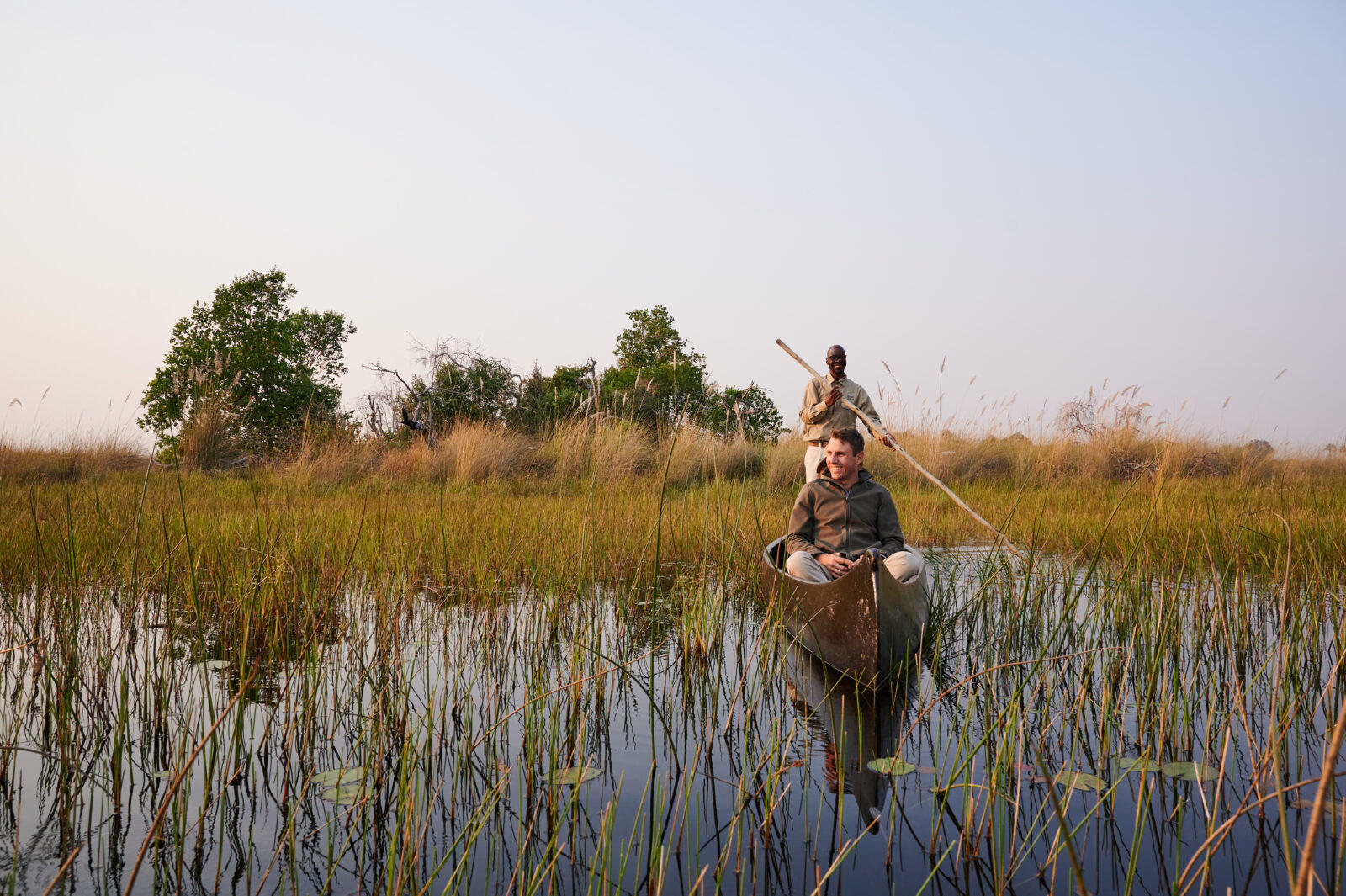
A mokoro offers almost the opposite perspective to a safari vehicle.
The traditional canoe sits low in the water and moves quietly through the Delta’s shallower channels. Instead of surveying the landscape from above, passengers find themselves close to its surface, passing reeds, lilies and the smaller species that can disappear into the background when the principal objective is finding big game.
Van Den Broeck points to Angolan reed frogs perched on vegetation and red lechwe moving through the water as examples of the details that emerge.
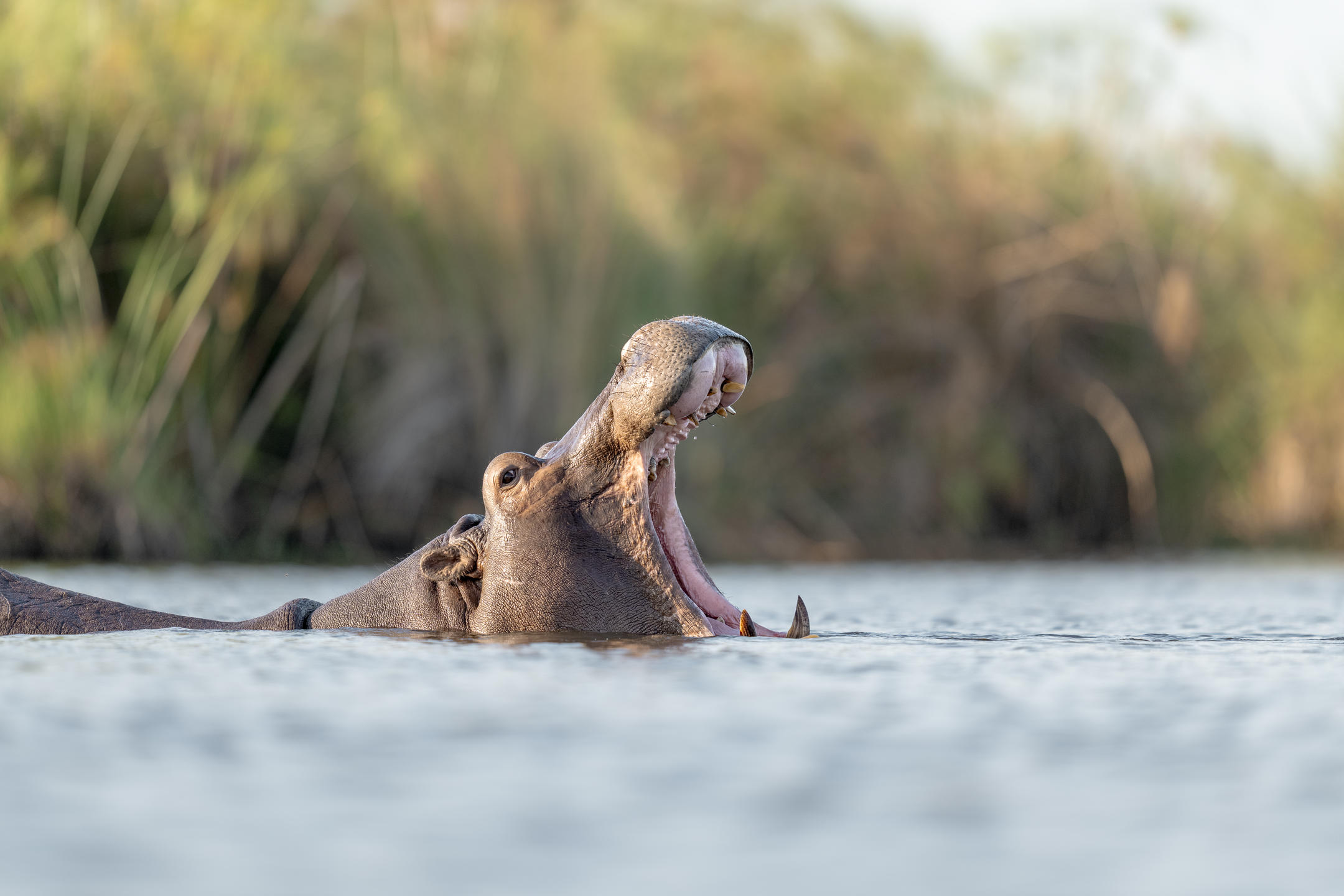
There are larger encounters too. Hippos, elephants and crocodiles inhabit these waterways, while deeper channels can be explored by motorboat.
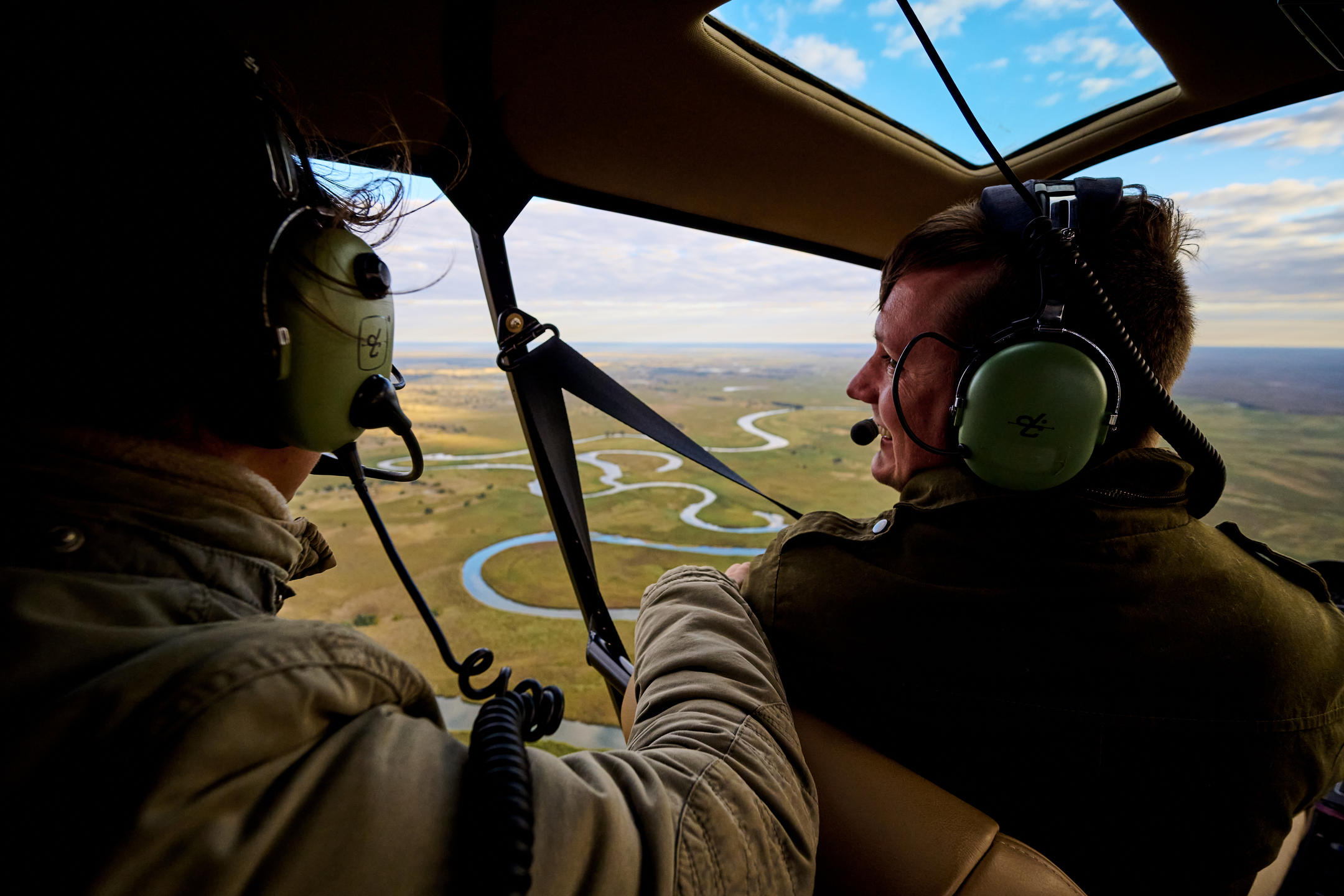
The scale of the flood is perhaps clearest from above. Scenic helicopter flights reveal the channels, islands and floodplains as a single interconnected system, making sense of a landscape that can appear almost impenetrable from ground level.
Yellow Zebra’s ten night Journey Through Botswana combines that perspective with stays at Nxamaseri Island Lodge, Camp Xakanaxa, Sediba Sa Rona and Xugana Island. Boating, mokoro excursions and fishing are accompanied by a scenic helicopter flight. Prices begin at £8,604 per person, including international flights.
At the considerably more expensive end of the market, the nine night Botswana’s Ultimate Luxury itinerary costs from £18,030 per person and moves between Wilderness DumaTau, Wilderness Vumbura Plains and Wilderness Mombo. The unusual water levels mean Mombo is offering boating and mokoro excursions, activities not normally available there.
When the desert gets a river back
Perhaps the more surprising consequence of this year’s water can be found towards the Kalahari.
The Boteti River has water for the first time in a decade, according to Yellow Zebra, creating an unusual meeting between the aquatic systems of the Okavango and Botswana’s more arid landscapes.
A six night itinerary pairs Meno a Kwena, close to Makgadikgadi Pans National Park, with Mbamba in a private concession where water activities are available. The contrast is substantial: desert adapted wildlife including brown hyena, elephant and red hartebeest followed by the waterways of the Delta. Prices start at £5,552 per person including international flights.
A fourth journey begins around Victoria Falls and the Zambezi before travelling by the Chobe Princess on the Chobe River and ending at Wilderness Little Vumbura, an island camp reached by boat. The eight night itinerary starts at £8,897 per person.
What makes the present season particularly interesting is its impermanence.
Van Den Broeck attributes the high water to sustained rainfall in the Angolan catchment and says another rise in levels is still expected. His view is that the conditions may not be repeated for some time.
That uncertainty is part of the nature of the Okavango. Its annual flood travels hundreds of miles from rainfall far to the north before reaching Botswana, producing a landscape that expands and contracts with water rather than remaining fixed.
Luxury safari operators can build camps, boats and elaborate itineraries around it. They cannot determine where the water goes.
This year, it has gone almost everywhere.
Continue Reading
More Lifestyle
Five genuinely useful gadget gifts for under £40
The Cotswolds hotel making autumn work for the whole family

From the boardroom to the yoga mat: Adrienne Everett brings her method to Thailand