UK Borrowing Costs Climb To Fresh Financial Crisis Era High As Markets Lose Confidence In Political Direction
UK borrowing costs have climbed to their highest levels since the aftermath of the 2008 financial crisis, raising fresh concerns over Britain’s economic credibility as investors grow increasingly uneasy about political uncertainty, rising public spending pressures and the country’s long term fiscal direction.
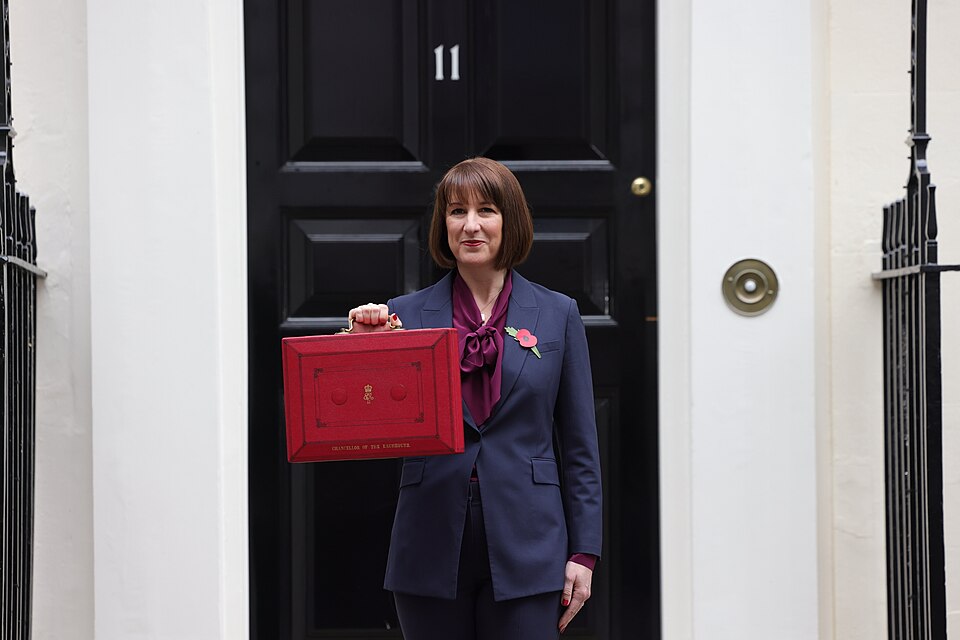
Kirsty O’Connor / HM Treasury
Britain’s borrowing costs have climbed to their highest levels since the aftermath of the 2008 financial crisis, raising fresh concerns about the country’s economic credibility as investors grow increasingly uneasy over political instability, inflation pressures and the long term direction of the UK economy.
Yields on 30 year UK government bonds surged to 5.82% on Friday, their highest level since 1998, while benchmark 10 year gilt yields climbed above 5.15%, the highest level seen since 2008.
The rise matters far beyond financial markets.
Higher gilt yields increase the cost of government borrowing, which eventually feeds into mortgage pricing, business lending, public spending pressures and the wider cost of financing the British economy itself. At a time when millions of households are already dealing with elevated living costs and sluggish wage growth, the latest jump will only intensify economic anxiety.
Financial markets are increasingly signalling concern about Britain’s wider political and fiscal stability.
Investors are reacting not only to global inflation fears and rising energy prices linked to tensions in the Middle East, but also to growing uncertainty surrounding the future direction of the Labour government.
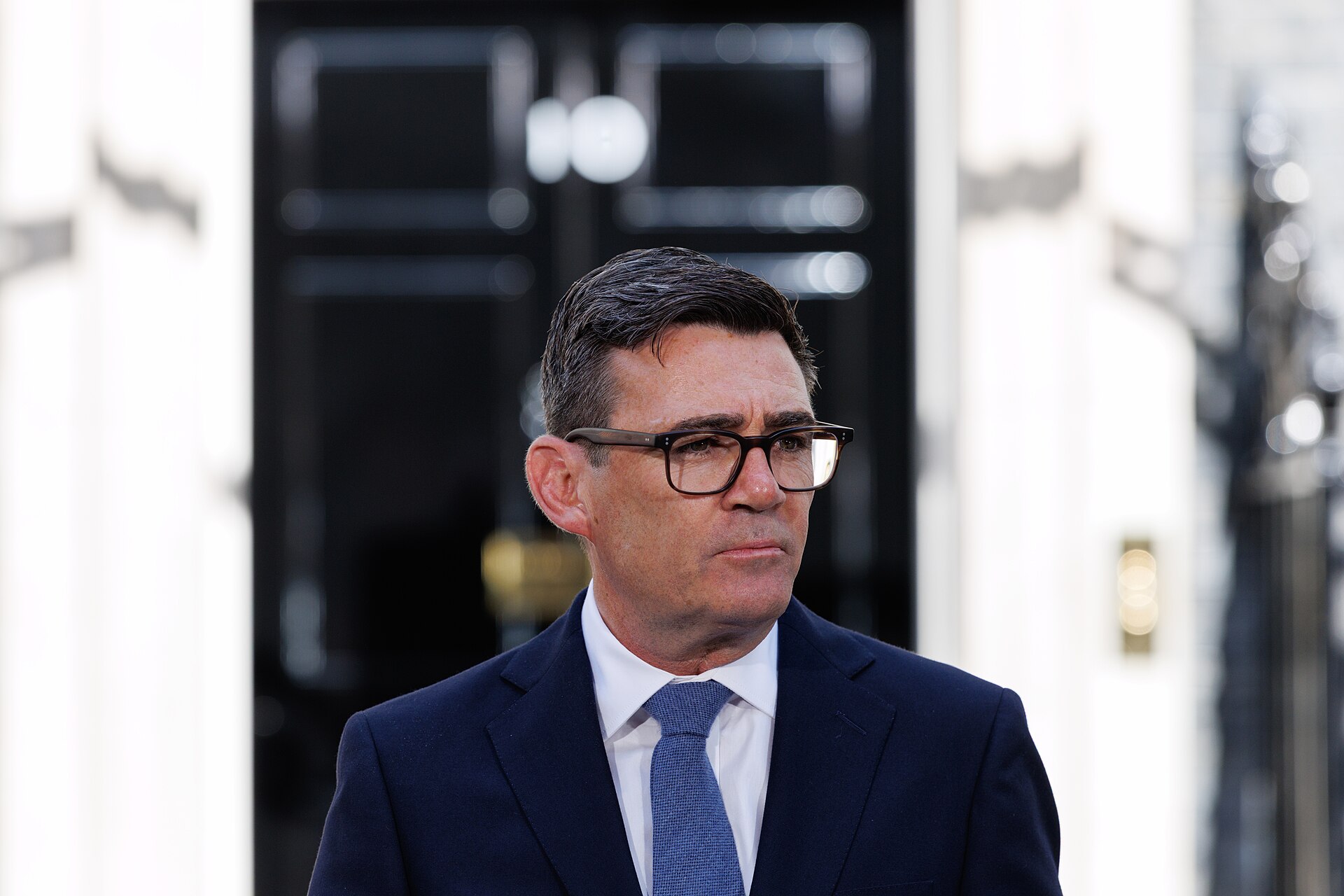
That uncertainty has deepened following Labour’s difficult local election performances and mounting speculation around the possible return of Andy Burnham to Westminster politics.
Markets are particularly sensitive to any suggestion that Britain could move toward higher borrowing and looser fiscal policy at a moment when public finances are already under strain. Analysts have warned that some investors fear a future leadership shift inside Labour could lead to significantly increased spending commitments.
Britain’s borrowing costs are now among the highest in the developed world.
UK 10 year gilt yields currently sit above the United States at roughly 4.45% and well above Germany’s 3.10%. Since the start of the year, UK 10 year yields have risen by around 0.64 percentage points, more than double the increase seen in both the US and Germany.
That gap is significant because investors usually demand higher returns only when they believe lending money has become riskier.
The concern is not simply about short term politics. It reflects growing doubts about Britain’s long term economic model.
For years, successive governments have promised growth and economic renewal while presiding over weak productivity, high taxation and rising national debt. Britain’s national debt now stands above £2.8 trillion, while the Office for Budget Responsibility estimates that every one percentage point rise in gilt yields could eventually add roughly £15 billion per year to debt interest costs by 2030.
That leaves Westminster facing an increasingly difficult balancing act.
Labour entered government promising economic competence and stability after years of Conservative turmoil. Yet markets are now beginning to question whether Britain’s political class fully appreciates the scale of the country’s financial vulnerability.
There is also a wider confidence problem emerging.
Britain has traditionally benefited from being viewed as one of the world’s most financially stable economies. However, repeated political shocks over recent years, from the Liz Truss mini budget crisis to ongoing leadership speculation and rising geopolitical tensions, have steadily weakened that perception.
Some investors still apply what has been described in financial circles as a “moron premium” to British assets following the 2022 gilt market crisis triggered during Truss’ premiership.
At the same time, Britain remains especially exposed to inflation shocks because of its dependence on imported energy and structurally weak economic growth. Investors are increasingly pricing in the possibility that the Bank of England may be forced to keep interest rates higher for longer to maintain market confidence.
For ordinary Britons, the consequences are becoming harder to ignore.
Mortgage rates remain elevated, business confidence is fragile and economic growth continues to underperform compared with many international competitors. Yet Westminster still appears consumed by internal political manoeuvring rather than presenting a coherent long term economic strategy focused on productivity, investment and private sector growth.
Britain is not facing an immediate financial emergency.
But markets are clearly delivering a warning.
Confidence in a country’s finances can weaken gradually before deteriorating very quickly. Once investors begin demanding a higher premium to finance government debt, restoring trust becomes significantly more difficult and far more expensive.
Continue Reading
More News
The old football boots being given another match
Starmer leaves Parliament with public backing for his departure
Farage faces a test of credibility as Reform’s momentum begins to fade