The Sunday roast is losing its grip on the British dinner table
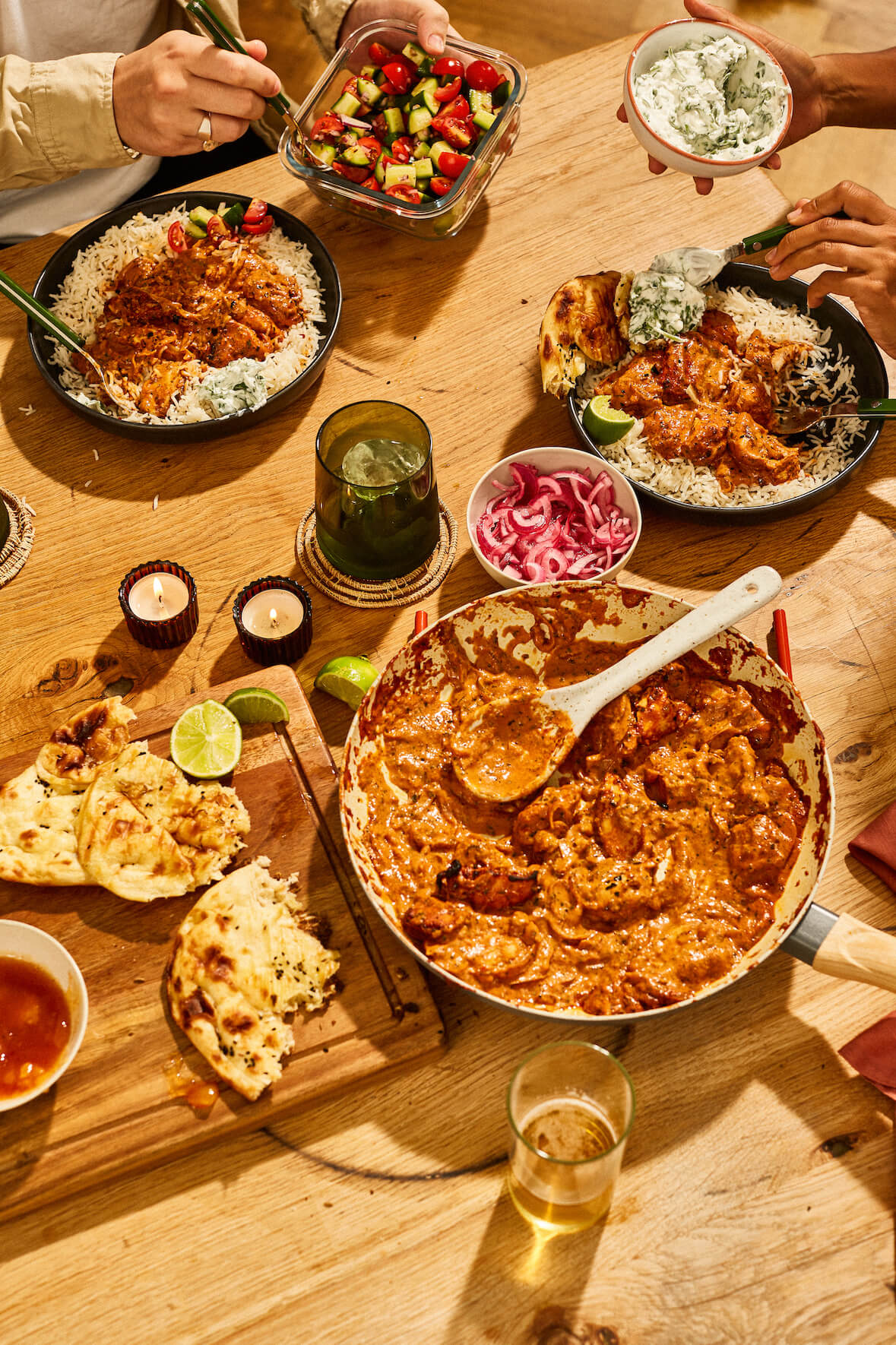
New research suggests pasta has become Britain's modern comfort food, while curries, stir fries and noodles are increasingly displacing the dishes that defined family meals for previous generations.
For generations, the British dinner table was a fairly predictable place. There was the Sunday roast, fish and chips, shepherd's pie and cottage pie. They were not merely recipes but fixtures of domestic life, repeated from one week to the next and passed between generations.
That pattern appears to be changing.
New research suggests that Britain's idea of an ordinary evening meal is becoming considerably more international, with pasta, curry and stir fry increasingly taking the place once occupied by traditional British staples.
A nationally representative survey of 2,000 adults commissioned by SimplyCook found that 52 per cent remembered roast dinners as a regular part of their childhood. Fish and chips followed at 41 per cent, while shepherd's pie and cottage pie were each recalled by 34 per cent.
Asked what they expected to eat this week, however, only 25 per cent chose a roast dinner.
Shepherd's pie fell further, to 14 per cent, while cottage pie stood at 17 per cent.
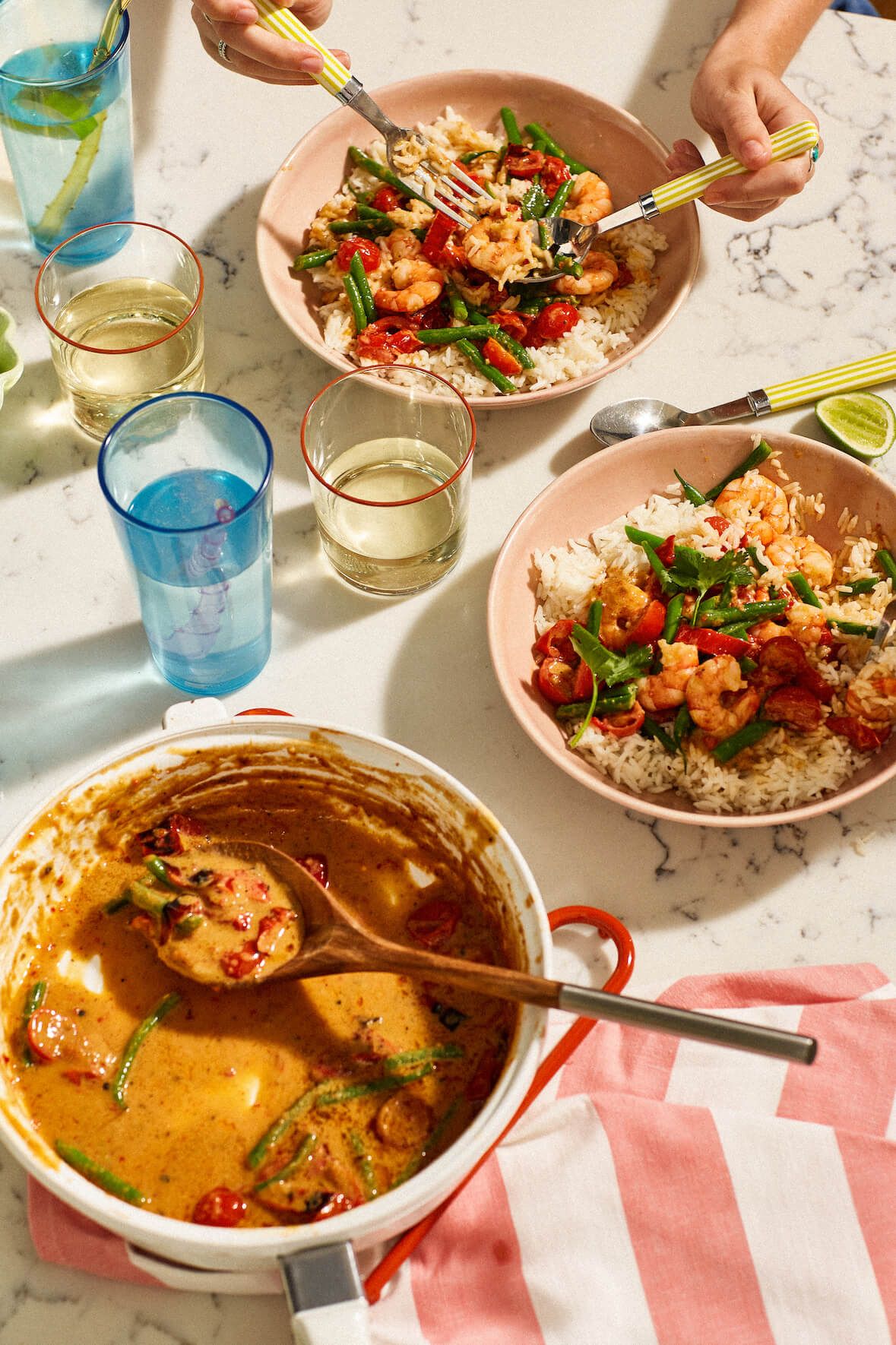
Pasta has travelled decisively in the opposite direction. While 29 per cent remembered eating it regularly when growing up, 43 per cent expect to eat it this week, making it the most commonly selected meal in the survey.
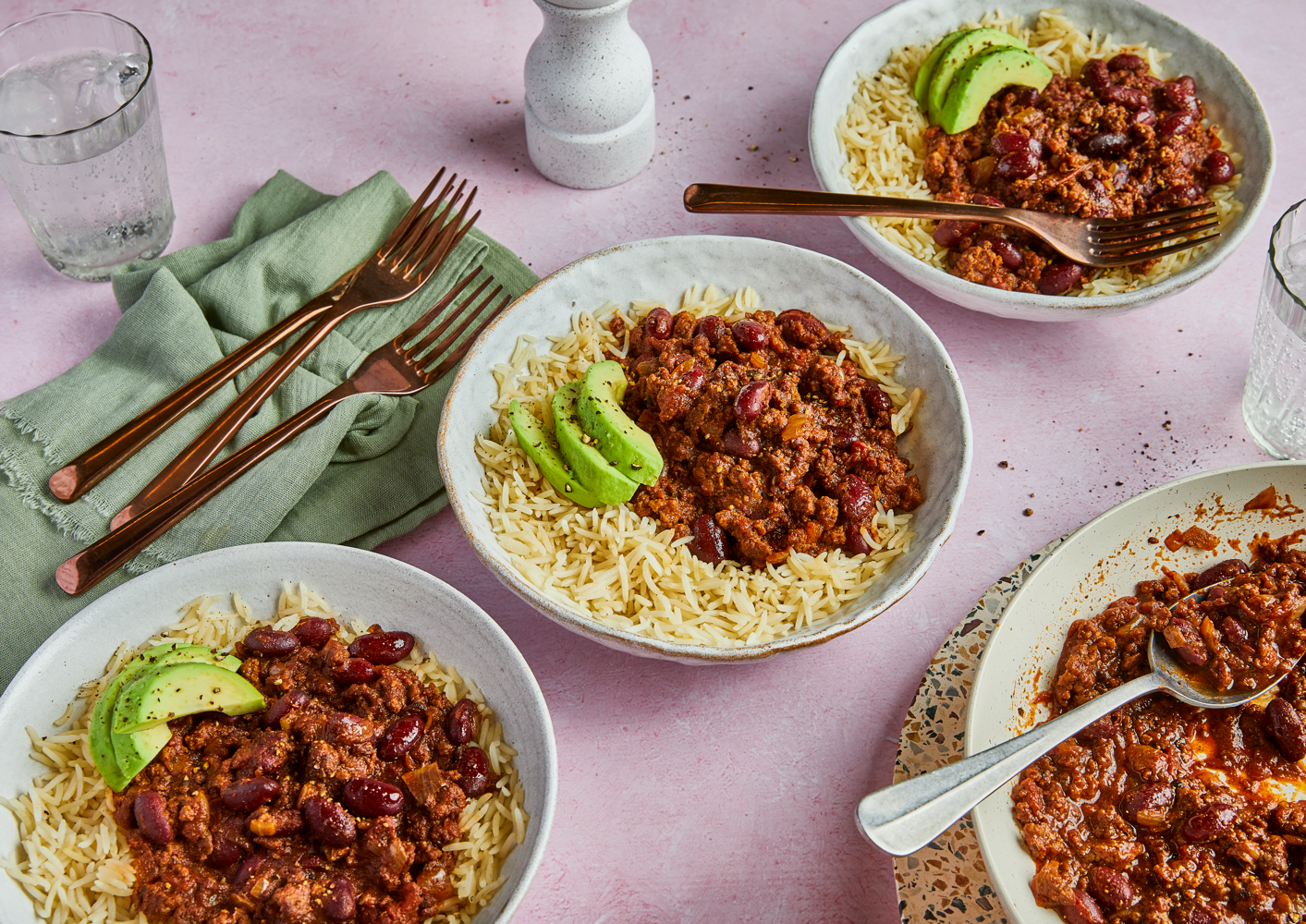
Curry has risen from 20 per cent to 27 per cent, while stir fry has moved from 14 per cent to 23 per cent.
The figures suggest something more interesting than the simple decline of British food. They point towards a change in what Britain considers comfort food in the first place.
Italian, Indian and East Asian influences that might once have been considered an alternative to traditional home cooking have become part of it.
A generational divide
Nowhere is that transformation clearer than among younger adults.
For those aged between 18 and 24, ramen and Korean noodles are now more likely to appear on the weekly menu than either shepherd's pie or cottage pie.
Sixteen per cent expect to eat ramen this week and 15 per cent Korean noodles. By comparison, 10 per cent expect to have cottage pie and 9 per cent shepherd's pie.
One in five also expects to eat burritos or tacos.
Ramen is more than five times as popular among Generation Z as it is among those aged over 55, according to the research, while older consumers remain considerably more likely to retain the roast dinner.
This is hardly surprising. Younger Britons have grown up with access to an extraordinary variety of cuisines, first through restaurants and takeaways and increasingly through supermarkets, social media and home cooking.
Ingredients and dishes once regarded as specialist have entered the mainstream vocabulary of British food.
The survey nevertheless suggests that familiarity with a dish does not always translate into confidence with its ingredients.
Almost a third of respondents said they avoid gochujang because they do not know how to use it, while 29 per cent said the same of kimchi and a quarter avoid miso.
More than a third, 38 per cent, admitted buying herbs, spices or seasonings for a particular recipe only to leave the remainder unused in the cupboard.
The rise of the home fakeaway
Britain's enthusiasm for international food is also increasingly being brought into the home.
Pizza was the most popular meal for people attempting to recreate takeaway food themselves, followed by burgers, Italian dishes such as pasta and Chinese food. One in five households regularly recreates Indian dishes, according to the research.
The development matters because it illustrates how food crosses the boundary from novelty into habit.
A curry cooked at home on a Wednesday evening is no longer necessarily regarded as an adventurous choice. Neither is pasta. For a growing proportion of the population, these are simply dinner.
Women appear particularly likely to have moved away from some of the traditional staples. Some 59 per cent remembered eating roast dinners while growing up, compared with 44 per cent of men. Today, only 24 per cent of women expect to eat one this week.
Almost half of women, 49 per cent, expect to eat pasta, compared with 36 per cent of men. Women were also more likely to choose a stir fry, at 25 per cent compared with 20 per cent.
Men retain a slightly stronger attachment to some traditional favourites. Some 31 per cent expect to eat fish and chips, compared with 26 per cent of women, while cottage pie attracts 19 per cent of men and 15 per cent of women.
Vicki Christie, a spokesperson for SimplyCook, said Britain's definition of comfort food had evolved rather than disappeared.
“We haven't fallen out of love with comfort food, instead our definition of it has simply evolved,” she said. “Pasta, curries, noodles and tacos now sit alongside the roast dinner as everyday favourites.”
A changing national appetite
Food has never remained entirely fixed. What comes to be considered traditional is itself often the result of generations of migration, trade and changing tastes.
The contemporary British kitchen is no exception.
The roast has certainly not vanished. A quarter of adults expecting to eat one in a single week still represents a formidable constituency for Sunday lunch. Fish and chips remains similarly resilient, with 28 per cent expecting to eat it.
But the dominance these dishes once enjoyed appears to be weakening.
The most revealing figure may therefore be the least exotic one of all.
Pasta has moved from something regularly eaten by 29 per cent of respondents during childhood to a meal expected by 43 per cent today. A food originating elsewhere has become so thoroughly incorporated into British domestic life that its international origins are almost beside the point.
The British dinner table has not abandoned comfort food.
It has simply become rather less particular about where that comfort comes from.
Continue Reading
More Food & Drink
Why fibre is becoming the nutrient everyone is talking about
The Chicken Worth Crossing Town For: Cocotte Richmond

More than half of M&S shoppers are missing out on their free birthday treat