The new Scanlan Theodore collection makes getting dressed properly fashionable again
Scanlan Theodore's AW26 collection champions precise tailoring and cashmere outerwear over logo-driven quiet luxury. The Australian house offers navy suiting, sequins and structure for women who expect to be looked at.
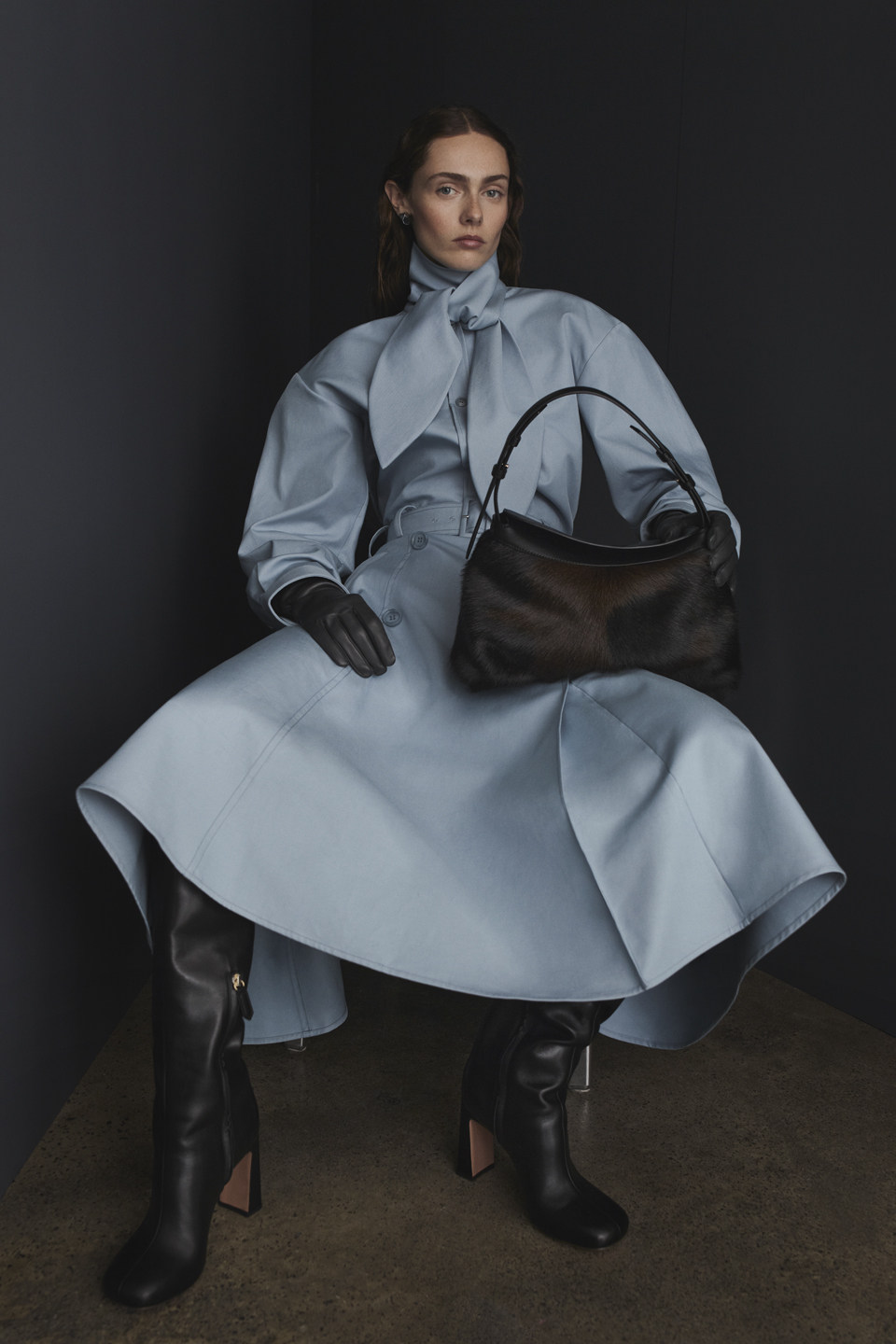
For Autumn/Winter 2026, the Australian fashion house considers the relationship between structure and softness, creating a collection in which tailoring, material and craftsmanship take precedence over the transience of trend.
Fashion’s relationship with permanence has become increasingly complicated. The acceleration of seasonal cycles and digital culture has created an industry in which novelty can command more attention than longevity. Yet the enduring language of luxury has traditionally rested elsewhere: in proportion, material, craftsmanship and the ability of a garment to retain its relevance beyond the moment in which it was created. For Autumn/Winter 2026, Scanlan Theodore returns to these principles.
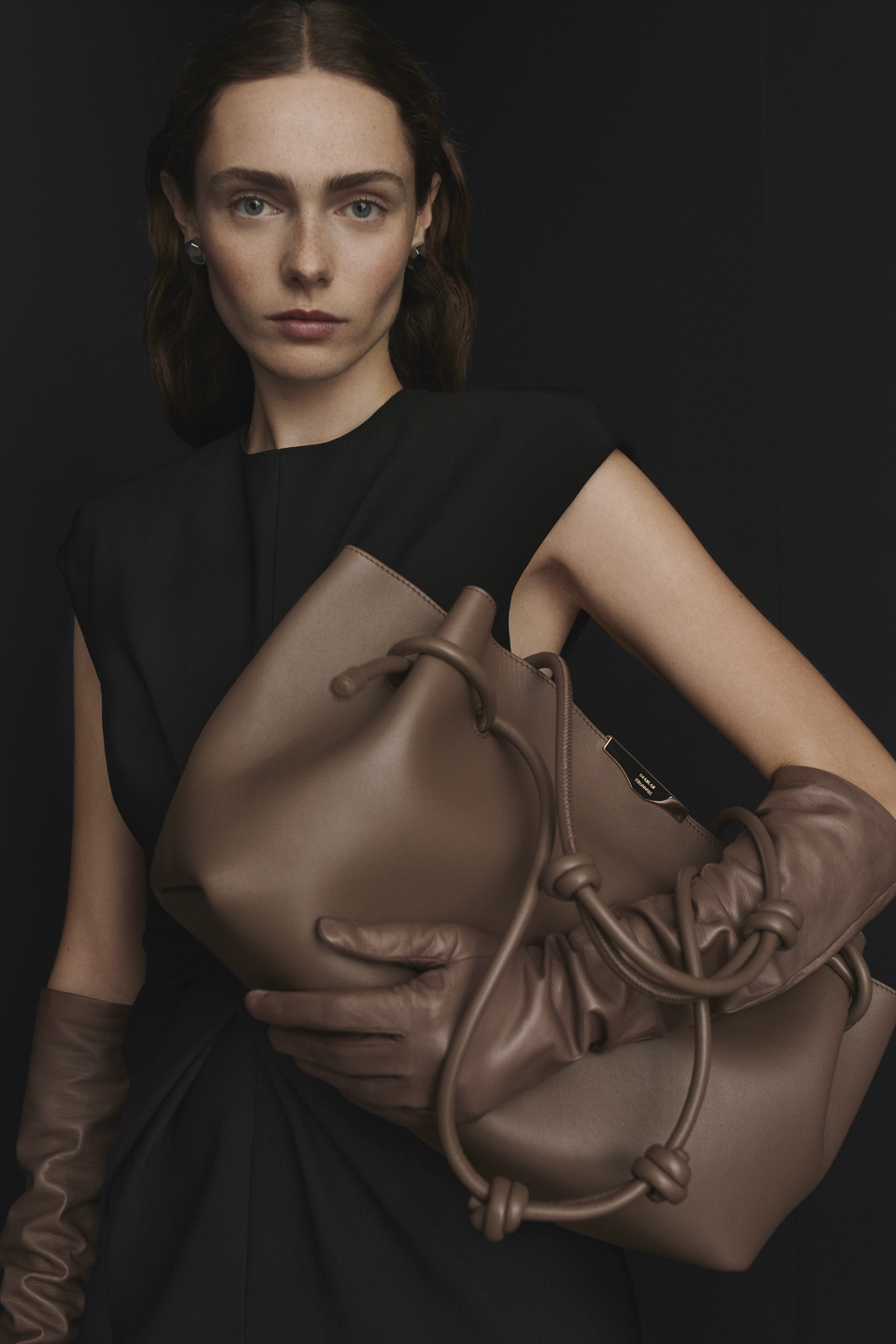
The Australian fashion house approaches the season as a study in scale, form and texture, developing a wardrobe in which tailoring provides architecture, fabric introduces movement and colour is deployed with measured intent. Rather than treating restraint as an aesthetic trend, the collection presents it as a design discipline. It is a distinction that has become increasingly important. Scanlan Theodore has spent decades refining a visual language built around sculptural construction, precise tailoring and modern femininity. Its Autumn/Winter 2026 collection does not attempt to dismantle that identity in pursuit of seasonal reinvention. Instead, it deepens it, considering how clothing can occupy the space between structure and softness, permanence and evolution.
At its foundation, among other standout hero pieces, is the suit. Deep navy tailoring establishes much of the collection’s character. Lines are controlled and silhouettes carefully resolved, allowing proportion to determine the presence of each piece. There is an architectural quality to the construction, but the relationship between garment and body remains central. Structure is used not to obscure the wearer, but to give clarity to the silhouette.
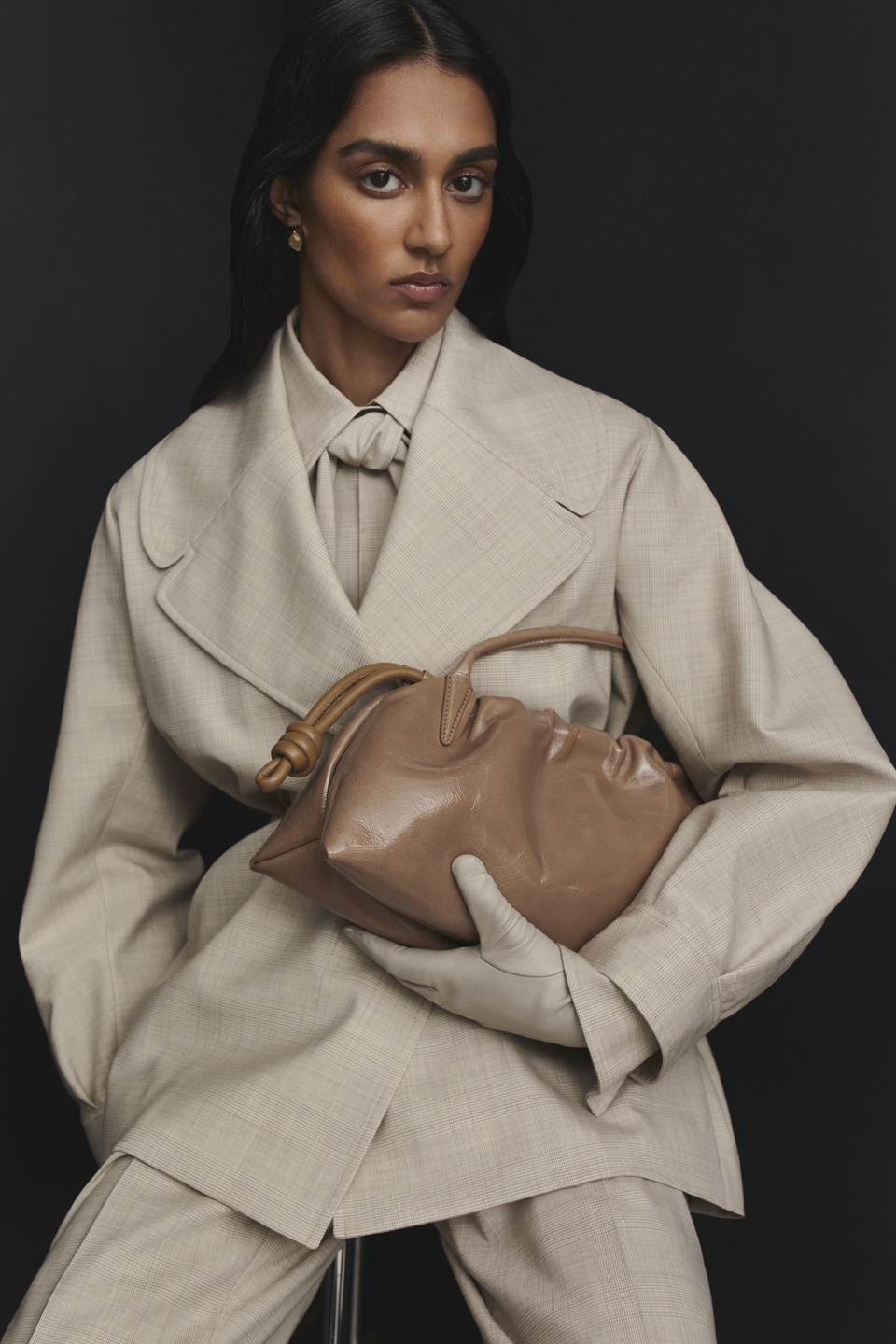
This dialogue between body and form extends across the collection. Elevated indigo and Japanese black denim introduce a more utilitarian language, placing one of the most familiar materials in the modern wardrobe alongside the precision of Scanlan Theodore’s tailoring. The contrast is deliberate. Denim provides weight and familiarity, refined crepe knits introduce fluidity, while outerwear returns the collection to volume and form.
Cashmere is particularly important to this transition. Rendered in tones including pale pink mink, the house’s outerwear introduces warmth without sacrificing definition. The softness of the material sits against the more exacting geometry of the tailoring, creating one of the recurring tensions within the collection: strength and delicacy are not treated as opposing expressions of femininity, but as qualities capable of existing simultaneously.
It is within these contrasts that Autumn/Winter 2026 becomes most expressive. Lilac sequins interrupt the composure of the collection with light. Textured faux fur introduces tactility and volume. Vermillion appears as a concentrated accent against the deeper navy and neutral tones surrounding it. Lace brings another dimension, allowing transparency and intricacy to coexist with the collection’s more architectural forms.
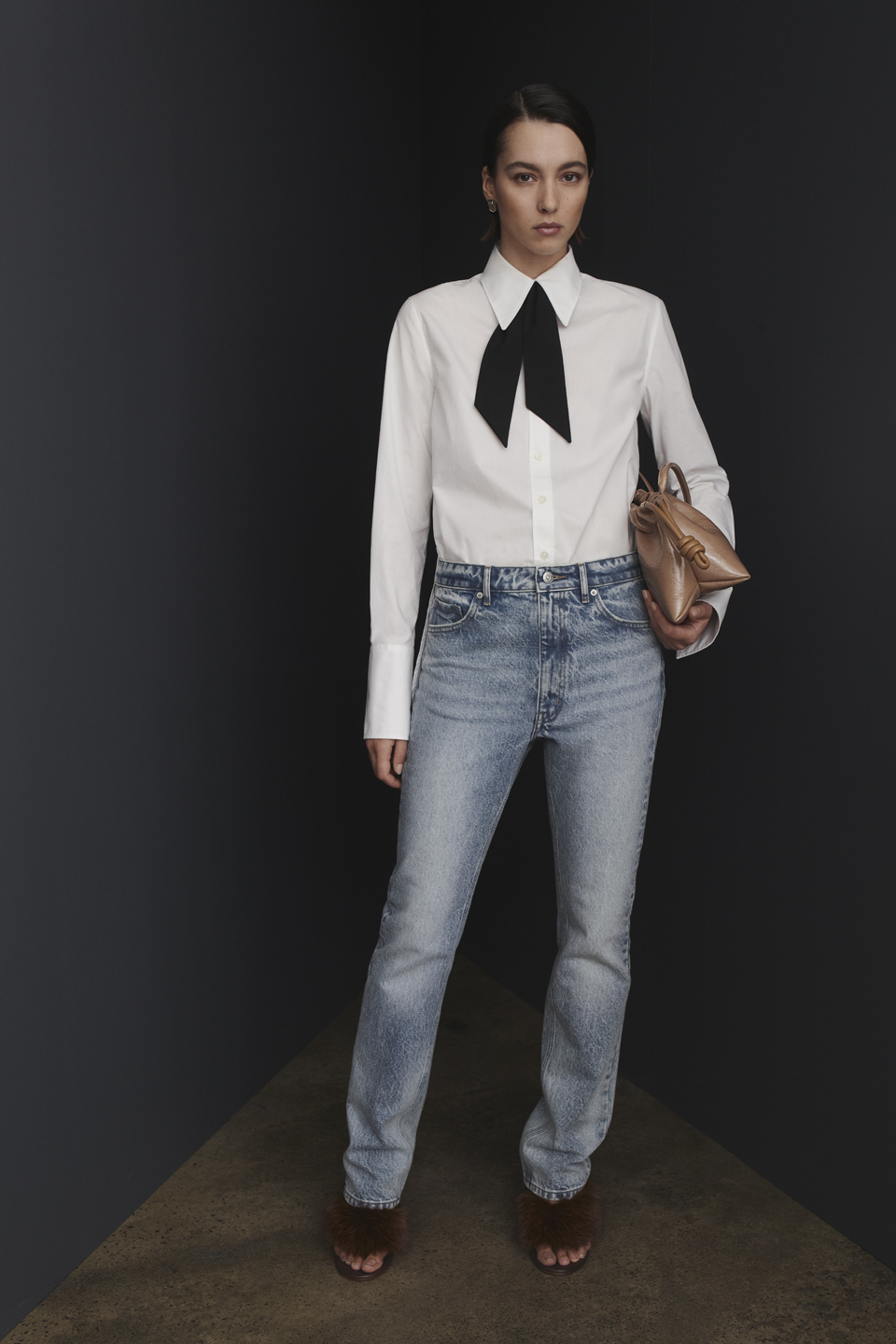
None of these elements operates independently. Instead, they form part of a broader consideration of how a contemporary wardrobe is constructed. The collection moves between tailoring and eveningwear, denim and cashmere, restraint and ornamentation without requiring one language to dominate the other. The result is a conception of luxury that depends upon balance rather than excess. This extends to the accessories. Italian crafted jewellery, distinctive handbags and modern footwear have been conceived as continuations of the clothes themselves, reinforcing the collection’s proportions and material vocabulary rather than existing simply as decorative additions. It reflects a wider understanding of the wardrobe as an evolving whole.
Scanlan Theodore’s international standing has developed alongside this consistency of identity. The house has been worn by figures including Nicole Kidman, Meghan Markle, Rosie Huntington Whiteley, Cynthia Erivo, Drew Barrymore and Emma Roberts, placing an Australian design vocabulary within an increasingly global conversation around contemporary luxury.
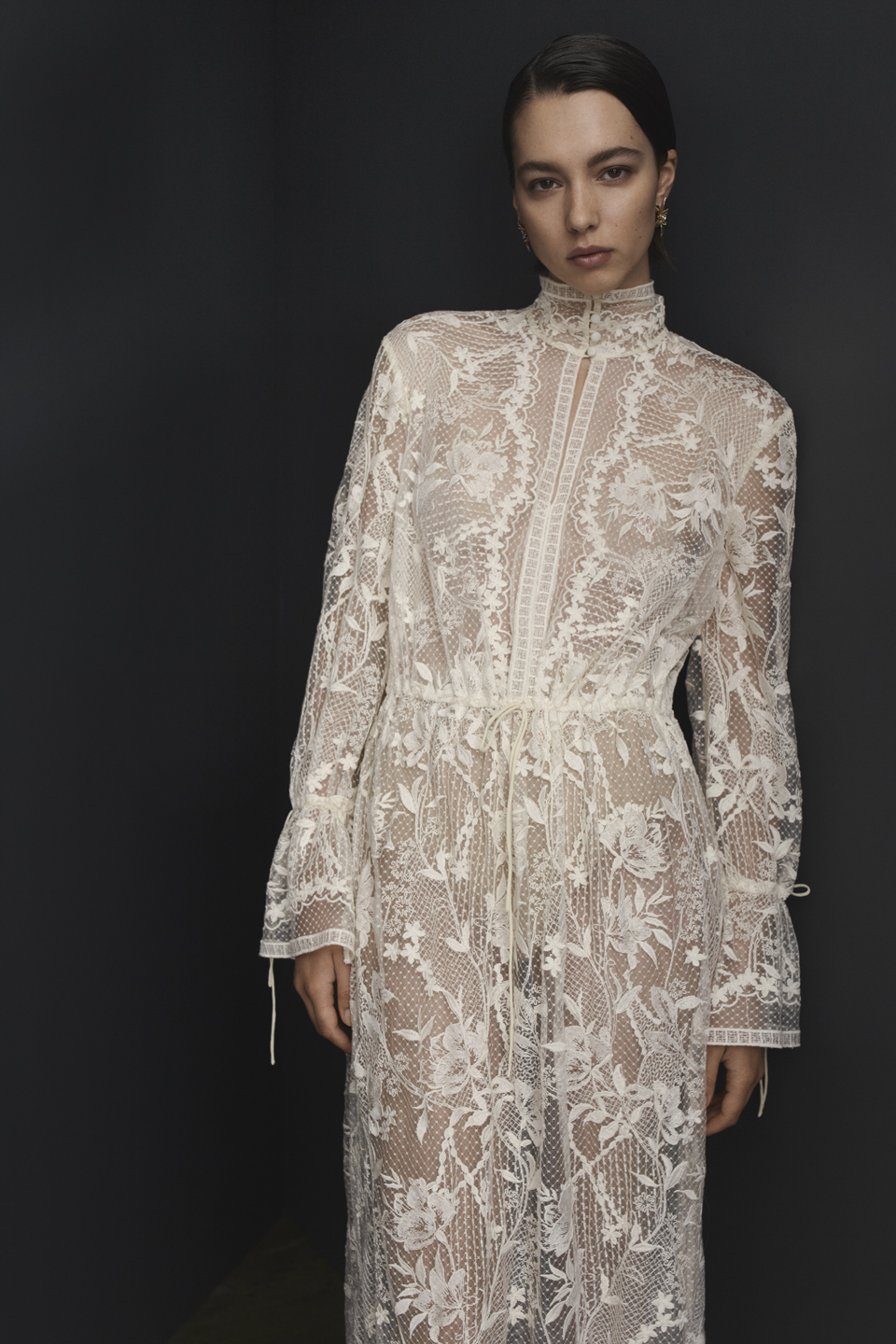
Yet celebrity visibility is only one expression of the house’s reach. More significant is the continuity of its design philosophy. At a time when fashion houses are under constant pressure to manufacture transformation, Scanlan Theodore has continued to refine an established language rather than abandon it. There is confidence in that approach: the belief that evolution need not require reinvention. The Autumn/Winter collection is consequently being revealed through multiple chapters and product releases, allowing its different ideas to emerge progressively. What begins with the authority of tailoring develops through denim, knitwear and outerwear before moving towards richer textures, colour and embellishment. The first chapter of the AW26 collection is out now through Scanlan Theodore.
Continue Reading
More Fashion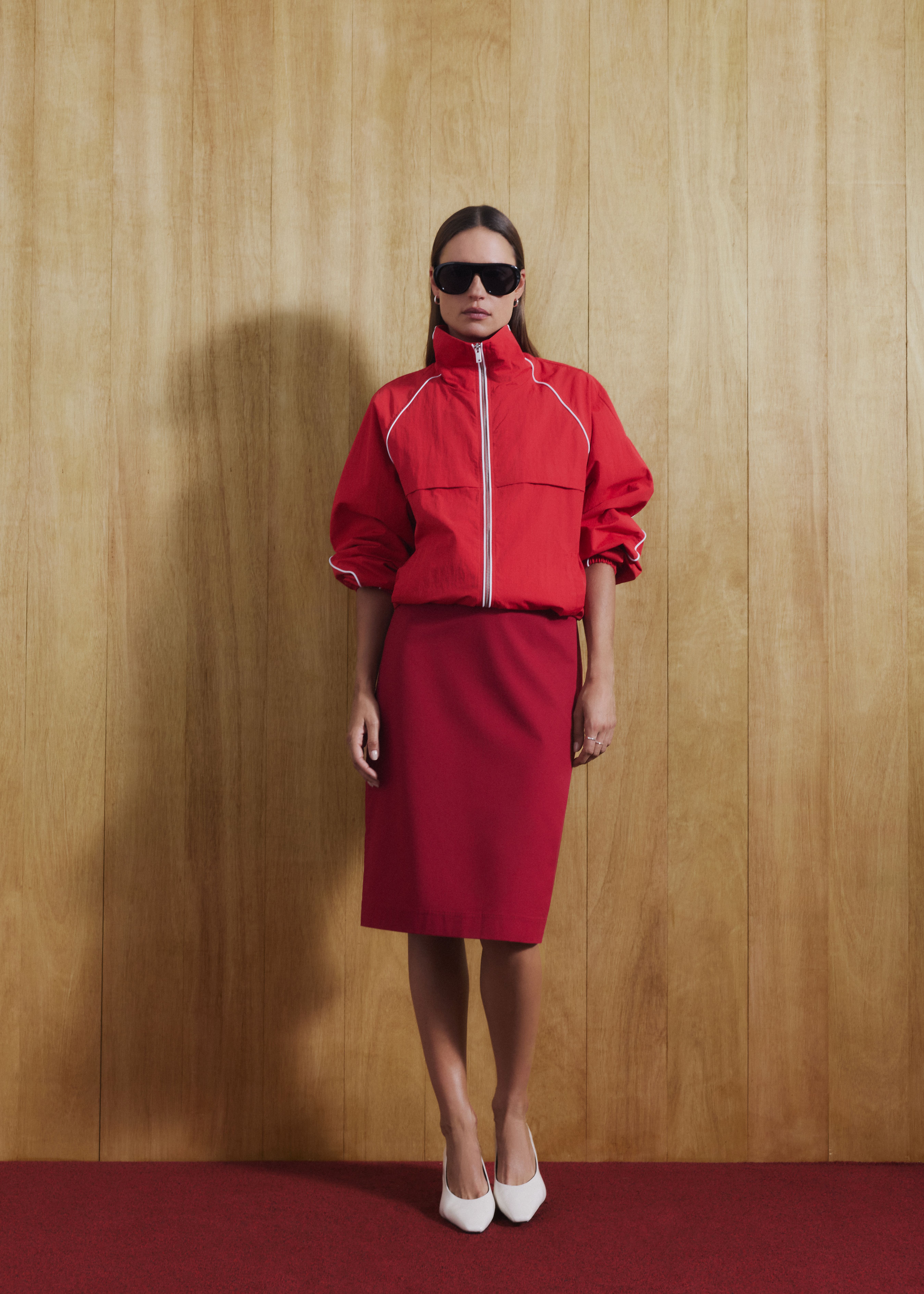
M&S offers £10 reward as it targets Bank Holiday rush for schoolwear and autumn fashion
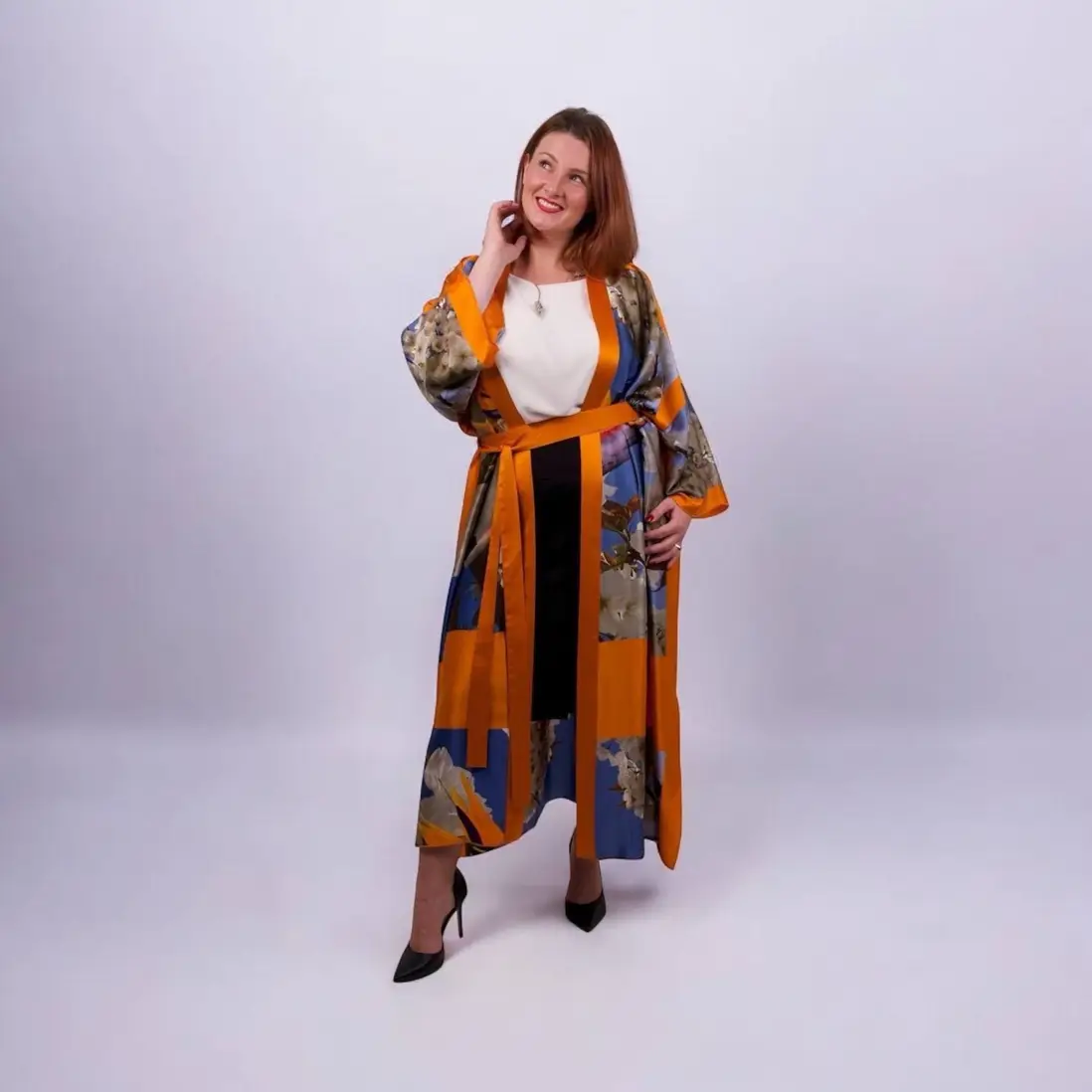
This summer, luxury fashion is finally embracing plus size style without compromise
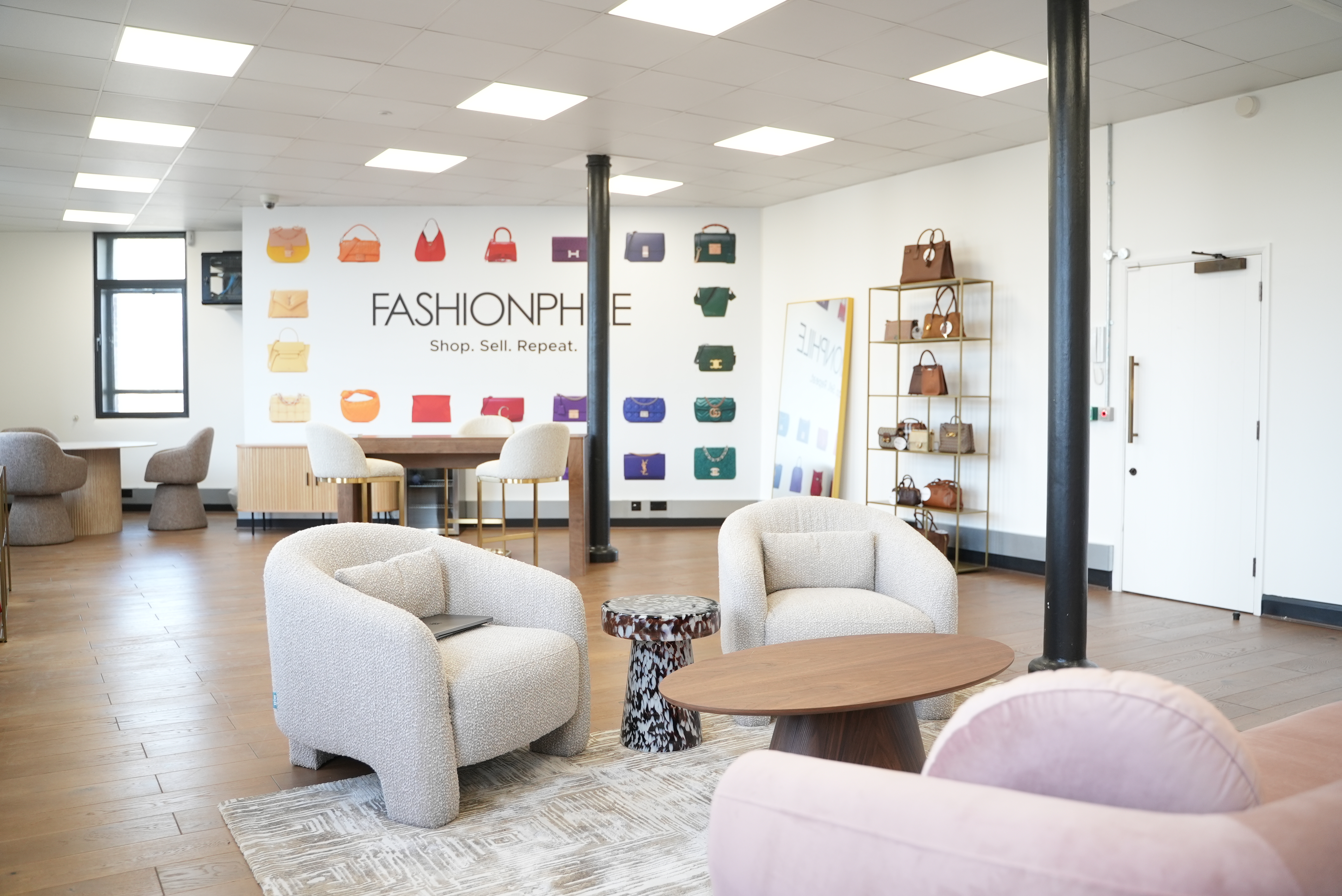
FASHIONPHILE brings luxury resale offline with its first London store