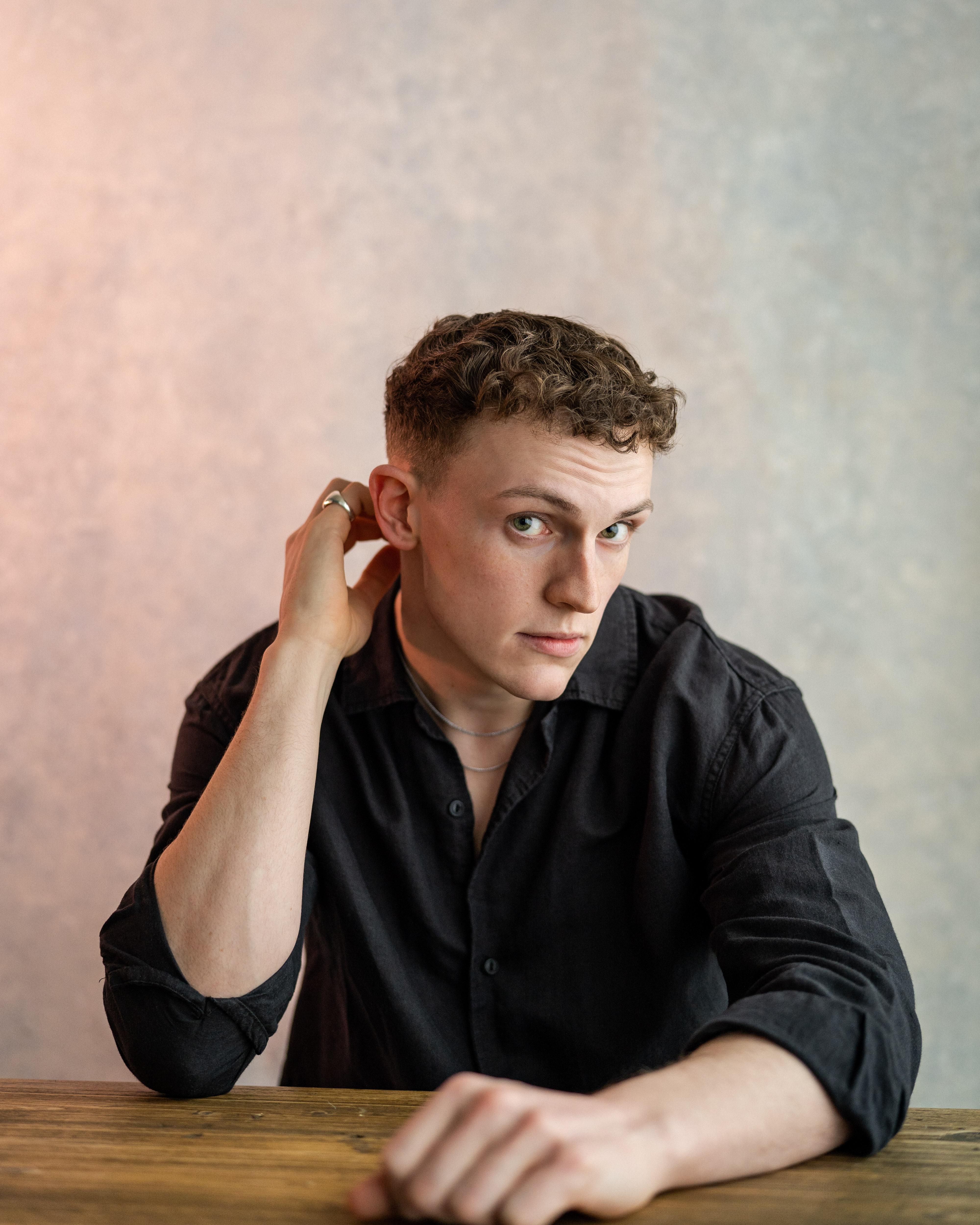
The Future of Luxury explores how culture, technology and changing values are reshaping the industry
Viet N'Guyen's new book examines how exclusivity alone no longer sustains luxury brands as younger consumers demand cultural relevance and values.
A new book edited by Issa PR founder Viet N’Guyen brings together eight voices from fashion, art, film and cultural strategy to examine what luxury will mean in a world where exclusivity alone is no longer enough.
For much of its history, luxury has depended on a relatively simple proposition. Rarity creates desire, craftsmanship justifies expense and ownership confers status. The most successful houses have spent generations refining that formula, building businesses around the idea that what is difficult to obtain is inherently more desirable.
But the relationship between luxury and its consumers is becoming considerably more complicated.
A younger generation of customers is asking different questions about the brands it supports. Technology is changing how products are presented and experienced. Cultural influence increasingly emerges from communities rather than established institutions, while sustainability and social responsibility have become part of the conversation about what makes a business worthy of admiration.
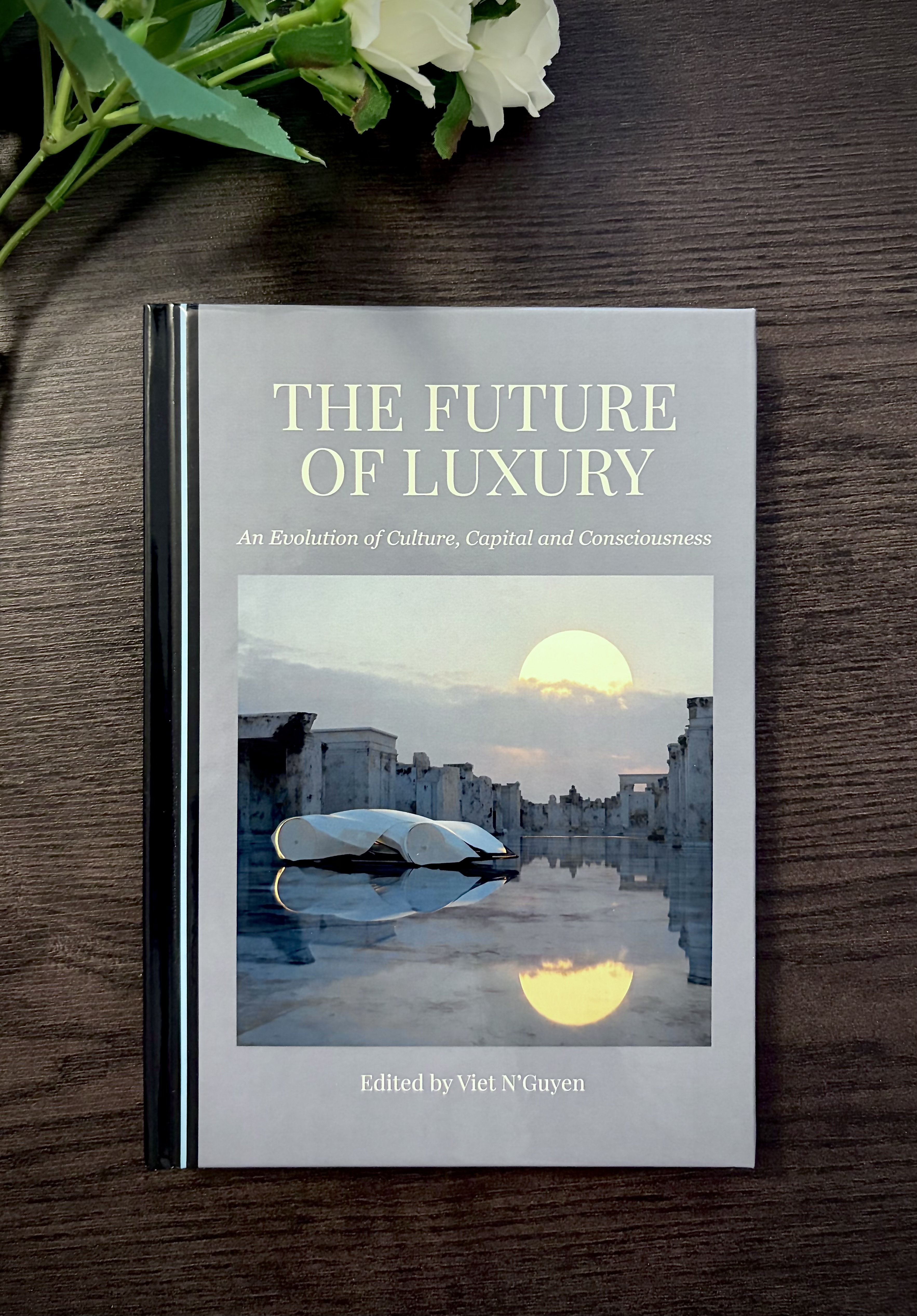
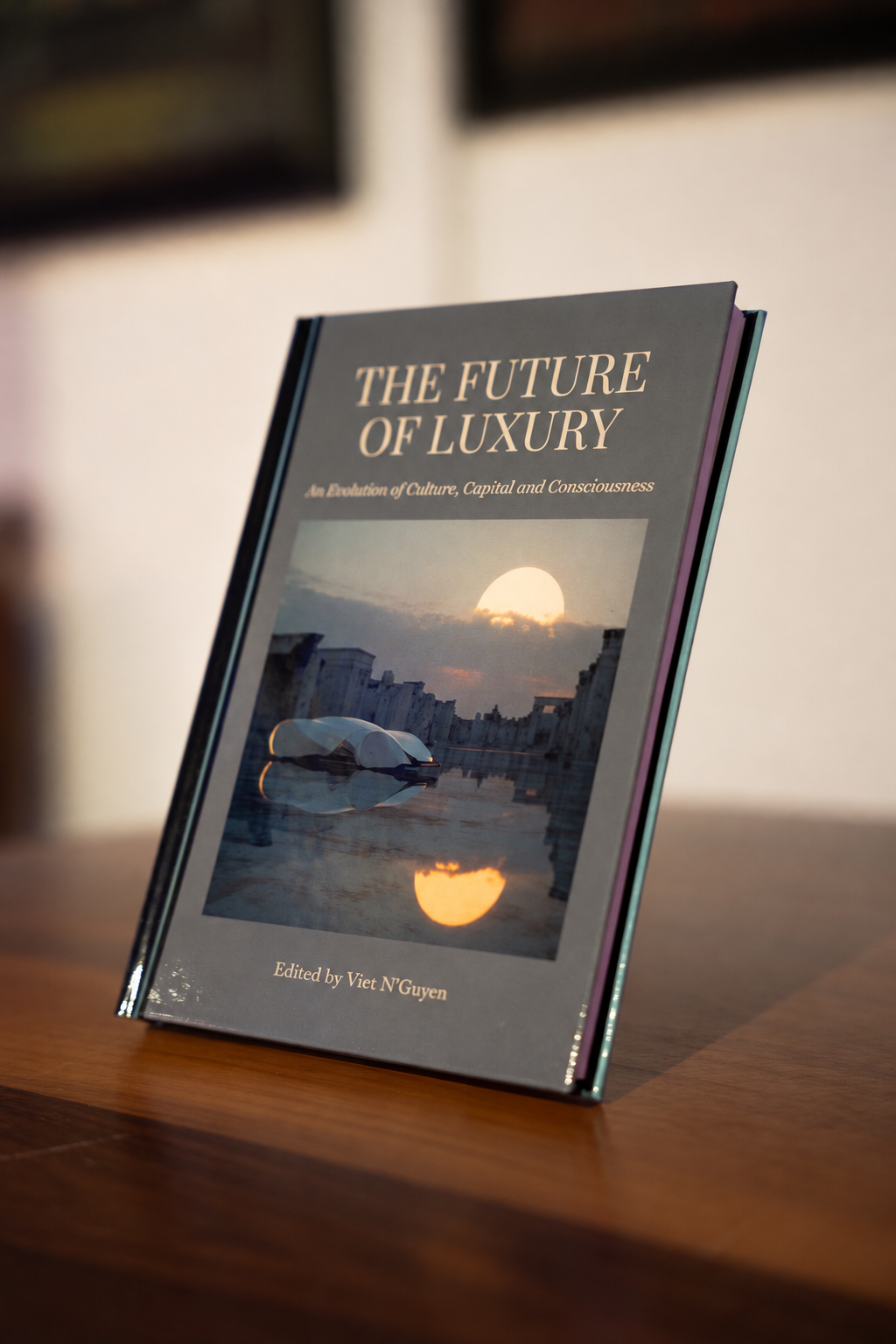
These tensions form the basis of The Future of Luxury: An Evolution of Culture, Capital & Consciousness, a new academic collection edited by Viet N’Guyen, founder and chief executive of international luxury communications agency Issa PR.
Published by Cambridge Scholars Publishing, the book is scheduled for release in autumn 2026 and brings together eight contributors working across fashion, filmmaking, automotive marketing, art, photography, journalism and cultural strategy.
Its central argument is that the future of luxury will be determined not simply by what brands make, but by the cultural meaning they create and the relationships they establish with the people who buy from them.
When exclusivity is no longer enough
Luxury has traditionally been built around controlled access. Fashion houses have protected their identities through carefully managed distribution, distinctive design codes and the authority of established creative directors.
Yet contemporary culture operates rather differently.
Social media has made previously inaccessible brands visible to millions, while digital platforms allow consumers to participate in conversations that companies once largely controlled. An influential cultural moment can emerge from a musician, artist or online community as readily as from an advertising campaign.
The result is a changing relationship between brands and their audiences.
The book examines how authenticity, cultural relevance and community participation are becoming increasingly important to perceptions of prestige.
This does not necessarily mean that exclusivity is disappearing. Scarcity, exceptional materials and specialist craftsmanship remain central to much of the luxury market. Rather, the authors consider whether those qualities are sufficient to sustain desirability in an environment where consumers also expect brands to demonstrate cultural awareness and a recognisable set of values.
It is a question with consequences beyond fashion. Automotive manufacturers, hotels, art galleries and entertainment businesses face similar challenges as the distinction between selling a product and creating an experience becomes less clear.
Fashion as a reflection of identity
Among the contributors is British menswear designer Bianca Saunders, whose work has explored the relationship between clothing, masculinity and cultural identity.
Saunders established her label in 2018 after studying at the Royal College of Art. Drawing on her British and Jamaican heritage, she has developed a distinctive approach to tailoring that considers movement, proportion and the ways clothing interacts with the body.
Her contribution examines the future of fashion at a time when conventional ideas about gender, identity and luxury dressing are being reconsidered.
The designer's career illustrates how cultural perspective can become an essential part of a brand's creative identity.
Recognition through the ANDAM Grand Prize, the British Fashion Council's NEWGEN programme and international exhibitions has helped establish Saunders as an influential voice in contemporary menswear.
Her work also demonstrates that innovation in luxury fashion need not depend entirely on technological advances. It can emerge from questioning familiar conventions and presenting established forms of craftsmanship through a different cultural lens.
The broader challenge for the industry is how to preserve that originality as brands expand and commercial expectations increase.
The digital transformation of art and storytelling
Technology occupies a significant place in the collection, particularly the growing influence of artificial intelligence and experiences that combine physical and digital environments.
The book considers how these developments are changing the production and presentation of luxury imagery, from photography and filmmaking to immersive retail and digital art.
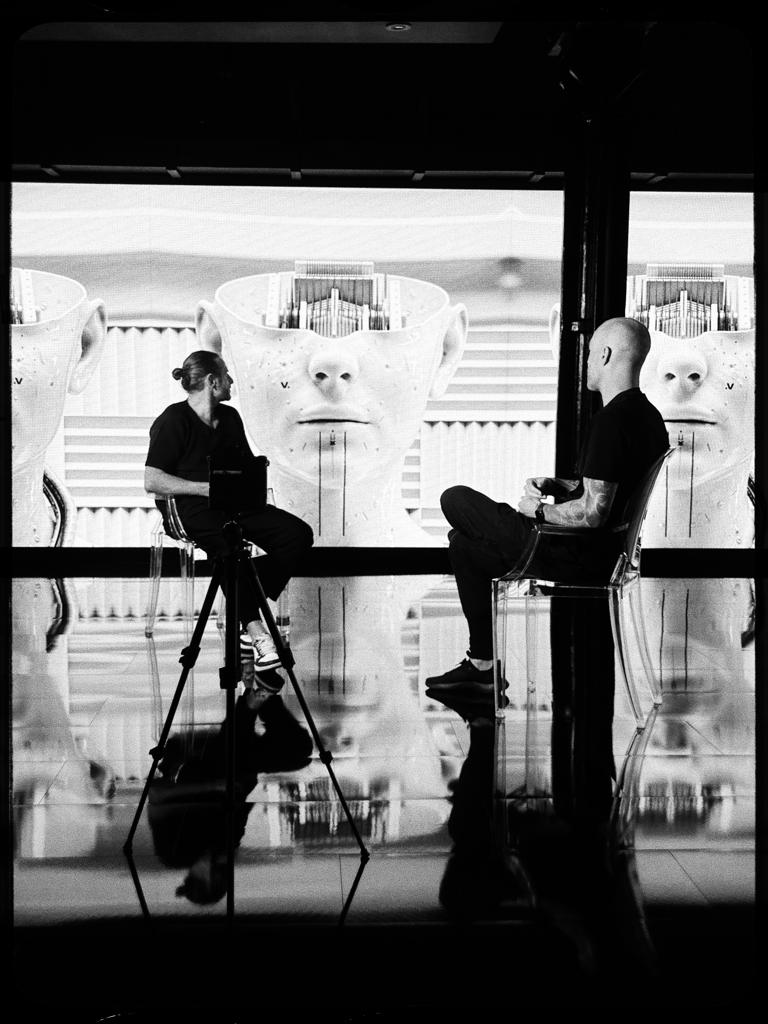
Mark Dale, founder of London digital art platform W1 Curates, examines the changing relationship between art, technology and public engagement.
His organisation has sought to bring digital artwork beyond conventional gallery settings, using large scale displays and immersive environments to introduce audiences to artists working with emerging technologies.
The implications for luxury are considerable. Art has long provided fashion and design houses with cultural credibility, but digital platforms are creating new ways for brands and artists to collaborate.
Such experiences also challenge traditional assumptions about ownership and access. A work of digital art may be viewed by enormous audiences while retaining commercial value through its association with a particular artist, platform or collector.
The book also explores the future of visual storytelling through contributions from filmmakers Bruno Centofanti and Felipe Franco.
Centofanti, whose work spans film, documentary and commercial production, considers how new technologies can support rather than replace human creativity.
Franco, who has worked with automotive and luxury brands including Porsche and Mercedes-Benz, examines how storytelling and technological innovation are changing the presentation of high value products.
Both perspectives raise an increasingly relevant question: when sophisticated imagery can be produced more quickly and cheaply than ever before, what distinguishes genuinely compelling creative work?
Can artificial intelligence preserve authenticity?
The arrival of generative artificial intelligence has introduced particular uncertainty into industries that depend on originality and aesthetic distinction.
Photography, advertising and filmmaking are already encountering tools capable of producing convincing visual material without the traditional production processes associated with commercial campaigns.
For luxury brands, the opportunities are evident. Creative concepts can be developed rapidly, digital environments can be constructed without physical sets and imagery can be adapted for different audiences and markets.
Yet the same technology raises questions about authenticity, authorship and the value of human craftsmanship.
Photographer Stefan Jakubowski, another contributor to the collection, approaches these developments from the perspective of someone working across fashion, documentary and commercial photography.
His career includes assignments associated with Dior, London Fashion Week and major international publications, alongside experimentation with generative AI tools.
The contrast between traditional photographic practice and digitally generated imagery is particularly relevant to luxury, where the story behind an object or image can be almost as important as its appearance.
The challenge is not simply whether artificial intelligence can produce attractive work. It is whether brands can use these tools without diminishing the sense of originality and human involvement on which their reputations often depend.
Culture as a form of capital
One of the book's more substantial themes concerns cultural capital and the ability of brands to remain relevant within rapidly changing societies.
Nicole Ingra, founder of cultural strategy consultancy Ingra Labs, contributes a framework for understanding the relationship between cultural influence and commercial success.
Her work has involved advising international businesses including Netflix, adidas, WhatsApp and TikTok on changing consumer behaviour and emerging cultural trends.
Ingra's perspective places culture at the centre of business strategy rather than treating it as an additional element of marketing.
This distinction matters because cultural relevance cannot always be purchased through celebrity partnerships or high profile campaigns.
A brand may attract attention through association with a particular artist or movement, but maintaining credibility requires an understanding of why that association matters to its audience.
The collection also considers changing consumer demographics and the growing influence of markets beyond luxury's traditional European and North American centres.
Jonathan Saw, whose career has included work with Tiffany & Co., Pernod Ricard and other international organisations, examines the social and economic changes influencing contemporary consumers.
His contribution brings questions of diversity, inclusion and organisational culture into a discussion more commonly dominated by design, retail and advertising.
The implication is that a luxury company's external identity cannot be entirely separated from the way it operates internally.
Beyond fashion and the traditional luxury market
The collection deliberately extends its scope beyond fashion and accessories.
Journalist and author Soo Kim examines the future of design, travel and the workplace, considering areas in which expectations of luxury are being shaped by changing lifestyles.
The inclusion of travel is particularly relevant as high end hospitality increasingly emphasises personal experiences, privacy, wellness and individual service rather than conventional displays of extravagance.
Meanwhile, changes in working patterns and the design of professional environments have prompted broader questions about comfort, flexibility and the meaning of a premium experience.
Taken together, the contributions suggest that luxury is becoming less easily defined by a particular category of goods.
A carefully designed hotel experience, an innovative digital artwork or a culturally significant fashion collection may all represent different expressions of the same underlying desire for distinction and meaning.
The difficulty for businesses is identifying which qualities are enduring and which are simply fashionable at a particular moment.
A new framework for the luxury industry
The book has been developed under the direction of Viet N’Guyen, whose agency Issa PR operates from London and New York.
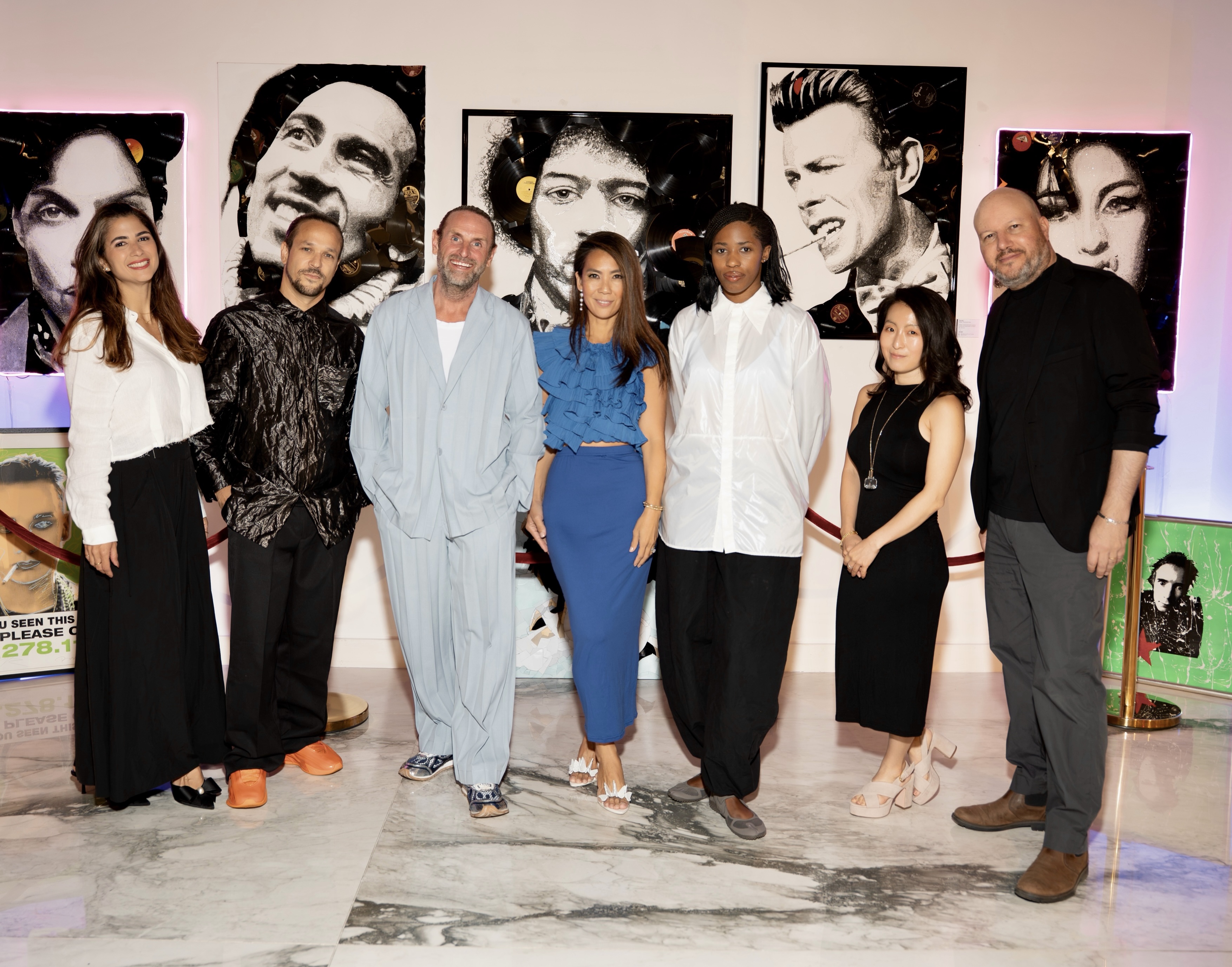
N’Guyen founded the Future of Luxury symposium in 2020, bringing together figures from different industries to discuss the changing commercial and cultural landscape. The event reached its sixth year in 2026.
The publication builds on those discussions, presenting a more permanent collection of perspectives intended for industry professionals, academics, students and business leaders.
"The future of luxury will be shaped not only by what brands create but by the values, communities, and new technologies they choose to engage with," N’Guyen said.
"Luxury was once defined by craftsmanship but today, meaning, identity and innovation have become the foundation of the industry."
The book also considers sustainability and social responsibility, two subjects that have become increasingly prominent within luxury marketing.
Their inclusion reflects an important tension. Luxury businesses frequently celebrate longevity, exceptional materials and products designed to endure, yet their commercial success can also depend on encouraging continued consumption.
The extent to which brands can reconcile those competing priorities will remain an important test of the industry's claims about responsible business.
What will luxury mean in the future?
The most interesting question raised by The Future of Luxury is whether the industry's traditional foundations are being replaced or merely reinterpreted.
Craftsmanship, heritage and exclusivity continue to command considerable value. But they now exist alongside new expectations concerning cultural participation, technological innovation and social responsibility.
For established luxury houses, this creates a difficult balance. Too much emphasis on tradition can make a brand appear disconnected from contemporary culture. Too much enthusiasm for novelty risks weakening the identity that made it desirable in the first place.
Emerging businesses face a different challenge. Digital platforms may offer unprecedented access to audiences, but visibility alone does not establish prestige or guarantee lasting loyalty.
By bringing together perspectives from eight different disciplines, N’Guyen's collection approaches luxury as a cultural and economic phenomenon rather than simply a market for expensive products.
Its arguments about the growing importance of authenticity and community will inevitably be tested against an industry that continues to rely heavily on aspiration, status and scarcity.
That tension may ultimately be the most revealing aspect of the discussion.
Luxury has always been about more than the object itself. It has depended on the stories, identities and social meanings attached to what people choose to own.
What is changing is who gets to shape those meanings.
The Future of Luxury: An Evolution of Culture, Capital & Consciousness, edited by Viet N’Guyen, is published by Cambridge Scholars Publishing and is scheduled for release in autumn 2026.
Book cover image credit: Stefan Jakubowski.
Continue Reading
More Culture
Q&A with Ajay Chowdhury

New School Resource Uses Original Songs to Help Children Talk About Difficult Feelings
The Human League will headline Cornwall’s most eccentric festival in 2027