Men's Fashion Series: The 1930s: Hollywood Glamour Amidst Economic Despair
"Explore the contrasting worlds of 1930s men's fashion — from the austere attire shaped by the Great Depression to the cinematic elegance of Hollywood's Golden Age.
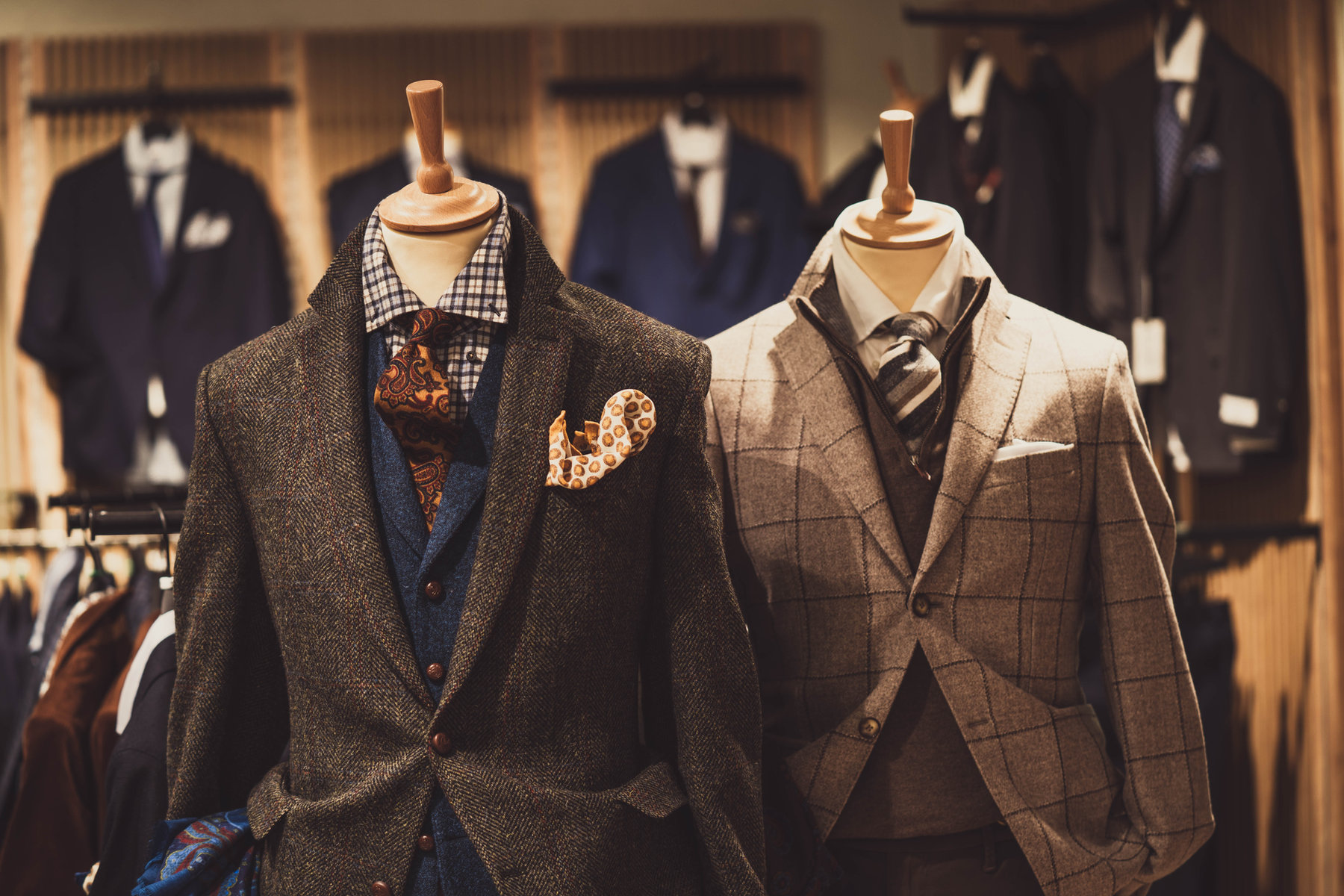
As the golden confetti of the Roaring Twenties settled, the world found itself on the precipice of economic catastrophe. The Great Depression cast a long shadow over the 1930s, but even amidst this darkness, the silver screen of Hollywood shone bright, casting a glow on the fashion of the era.
The 1930s was a tale of two worlds. On the streets, men tightened their belts — both metaphorically and literally. Yet, in the world of cinema, opulence remained, providing an escape from the harsh realities of life.
The Economic Reality and Fashion: The Great Depression shaped more than just economies; it shaped wardrobes. Suits of the 1930s leaned towards a simpler, more streamlined look. Gone were the flamboyant accessories, replaced by a more practical approach to dressing. Yet, even with limited resources, the emphasis on looking respectable remained. Double-breasted suits became popular, with wider lapels giving an appearance of broader shoulders — perhaps a subconscious reflection of carrying heavy burdens.
Hollywood's Golden Era: But if day-to-day fashion echoed austerity, Hollywood was a different story. This was the Golden Age of cinema, and stars like Clark Gable, Fred Astaire, and Cary Grant provided a sartorial escape. Their impeccable style on screen — tuxedos, tailored suits, and slicked-back hair — set the standard for formal wear. They became not just actors, but icons of elegance, capturing the aspirations of many.
Footwear and Accessories: The decade saw an evolution in footwear. The sturdy and practical brogue, often in brown, was a common choice. Yet, for formal occasions, the black patent leather shoe was the go-to. Hats retained their status as essential accessories, with fedoras and trilbies adorning the heads of both the common man and the Hollywood star.
Casual Attire: Sportswear began to influence everyday fashion. Golfing attire, like plus-fours and argyle socks, began making appearances off the greens. The polo shirt, introduced by tennis player René Lacoste in the late 1920s, gained popularity throughout the 1930s as a casual yet refined option.
Looking back, the 1930s showcased resilience. Men's fashion found a balance between the austerity of the times and the aspiration for better days, drawing inspiration from the glamour of Hollywood.
Continue Reading
More Fashion
The Zurich shop built to be temporary that is still standing 20 years later
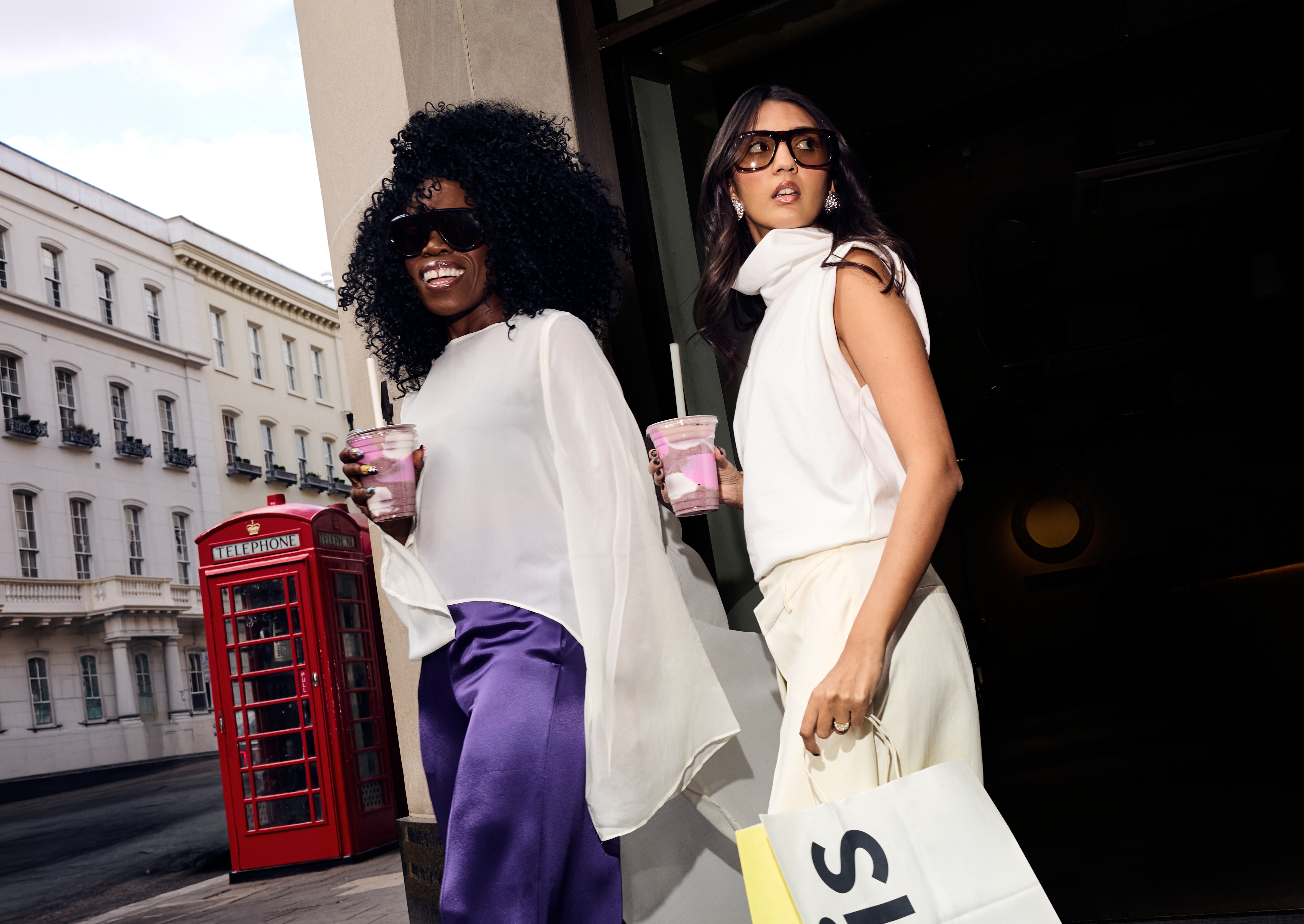
Fashion week’s latest accessory comes in a cup
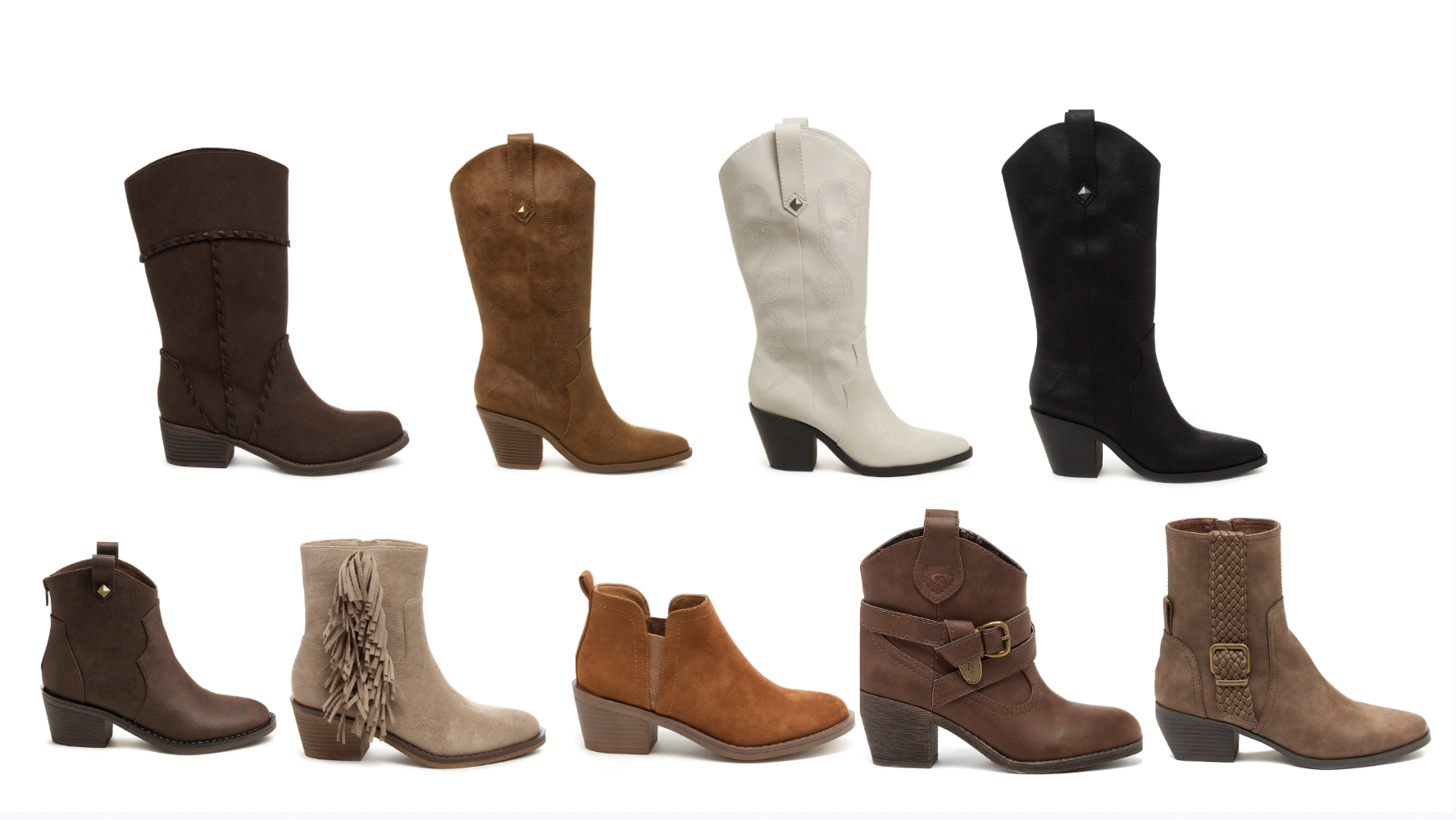
Rocket Dog brings its Noughties signatures into a new season