Interview with playwright Noga Flaishon ahead of Memoriam at Southwark Playhouse Borough
Noga Flaishon's Memoriam imagines the last Holocaust survivor's memories sold as VR. The Southwark Playhouse production asks who owns traumatic stories.
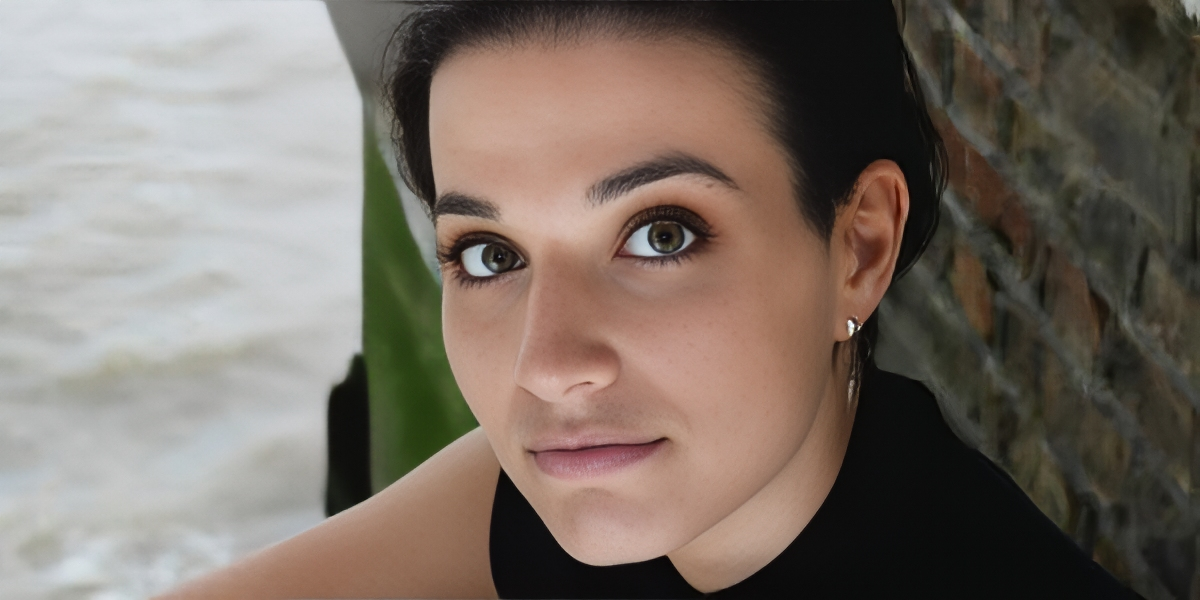
Set in the near future, Memoriam follows Rachel, an employee at a technology company who takes people’s memories and sells them as immersive Virtual Reality experiences. When Rachel sees her grandmother Rivka become the last living Holocaust survivor, she asks to preserve her memory. What follows is a family conflict about who owns a story, who gets to tell it and where the line falls between remembrance and exploitation. Ahead of the production at Southwark Playhouse Borough, we spoke to playwright Noga Flaishon about the personal and political experiences that inspired Memoriam, the role of humour in processing trauma, and the importance of preserving Holocaust stories for future generations.
What first inspired you to write Memoriam, and how did the idea develop into the play we see today?
I started writing Memoriam during the pandemic… I haven’t been writing it for all six years since… There were many stops and starts throughout the process. Memoriam, like most of my work, came from a place of rage. Two incidents initially inspired me. The first was Falsettogate, when a 2019 production of the very Jewish musical Falsettos was staged with no Jewish creatives, and the other was the anti-vax protests, where I saw protesters wearing yellow stars and comparing their made-up ‘persecution’ to the very real persecution in Nazi Germany. I remember thinking… they like our stories – but they can take or leave us. I suddenly noticed how Jewish narratives are preserved almost despite their Jewish characters. I decided to use the device of science fiction to push that dramatic question further – what happens when someone claims ownership of a story, and how is the story of the holocaust going to shift with the death of the last survivors? The play continued developing over the last few years, from Zoom workshops to award nominations… It’s been a long journey to get here.
You’ve said that the humour emerged partly from writing characters with voices you recognised from your own family and community. What can humour offer when dealing with trauma?
I think, and I believe there's research to back this claim, humour is an extraordinary way to deal with trauma. It shifts your perspective, creates community around shared pain (by inviting people to laugh with you about the horrible things that happened), and it even changes your body chemistry… mainly, I think making fun of horrible things that happen to you can give you a real sense of power. Like ‘this doesn’t hurt me as much – look – I can laugh at it!’ My family are very funny people – we make each other laugh all the time, and I think I got my dark humour from them. Several jokes in the play are actually just some of my dad’s best zingers.
As first-hand accounts of the Holocaust become less accessible, what responsibilities do writers, artists and theatre-makers have when representing these experiences to future generations?
I think our first responsibility is to make sure these stories keep being told.
But that’s just what Jewish people do anyway, I suppose… Storytelling is woven into practically every aspect of Jewish culture. We remember our dead by sharing stories about them at Shivah; almost all our holidays include a family dinner and retelling stories passed down through generations; and we've developed a rather particular sense of humour that lets us laugh even in the darkest circumstances. For a people who spent so much of their history as a nomadic and persecuted group, stories became a way of preserving a shared identity and connection to our past. I'm a little hesitant, though, about imposing strict rules on how these experiences should be represented… of course, we have a responsibility to remember, but stories are living things. They evolve, and our relationship with them changes over time. What we consider an acceptable representation of the Holocaust today might look very different twenty or fifty years from now. I suspect we'll eventually see a Holocaust video game. Will it be in bad taste? Probably. But I don't think that necessarily diminishes the memory of the holocaust itself. What matters to me is that we keep remembering, and that we understand why we're remembering. The Holocaust is part of Jewish history, but the lessons we draw from it cannot belong exclusively to Jewish people. Never again should mean never again for anyone.
The production is making 40 tickets per night available to under-25s for £10, to reach younger audiences. How important is it to you that Memoriam reaches younger generations, and what do you hope they take away from the play?
Daniel and I envisioned the 40 Under 25 scheme as our small way to contribute to Holocaust education. We learned that 60% of young people in the UK can’t differentiate between actual facts and misinformation when it comes to the holocaust. There is already so much misinformation going around online, and the addition of AI and bots who comment nasty stuff on anything remotely Jewish isn’t helping. This was our way of making a difference. The play asks who has the right to tell stories about the past. How did you explore the difference between remembering someone and speaking on their behalf?
Well, those are really the questions at the heart of the play, aren’t they? Who owns a story? Can a story even be owned? And at what point does remembrance cross into exploitation, or what some might call 'misery tourism'? I explore these questions throughout Memoriam, but I also acknowledge that I don't necessarily have the answers. I think there's an important distinction between preserving someone's story and claiming the authority to speak for them, particularly when that person is no longer around to challenge the interpretation. More broadly, I believe stories are more meaningful and impactful when told from an authentic perspective. That doesn't mean that a person isn’t ‘allowed’ to write about a group they don’t belong to. Anyone can write about anything. I don't think we gain much by policing artistic expression so aggressively. But there's a difference between having the right to tell a story and being the person best suited to tell it. Personally, I'm simply much more interested in hearing stories about marginalised communities from the people who actually belong to them. Their perspectives are often the ones we've heard the least, and consequently, the ones I find most valuable.
Memoriam comes to Southwark Playhouse Borough from 22nd October to 21st November 2026. For tickets and more information visit: https://southwarkplayhouse.co.uk/productions/memoriam/
Continue Reading
More Culture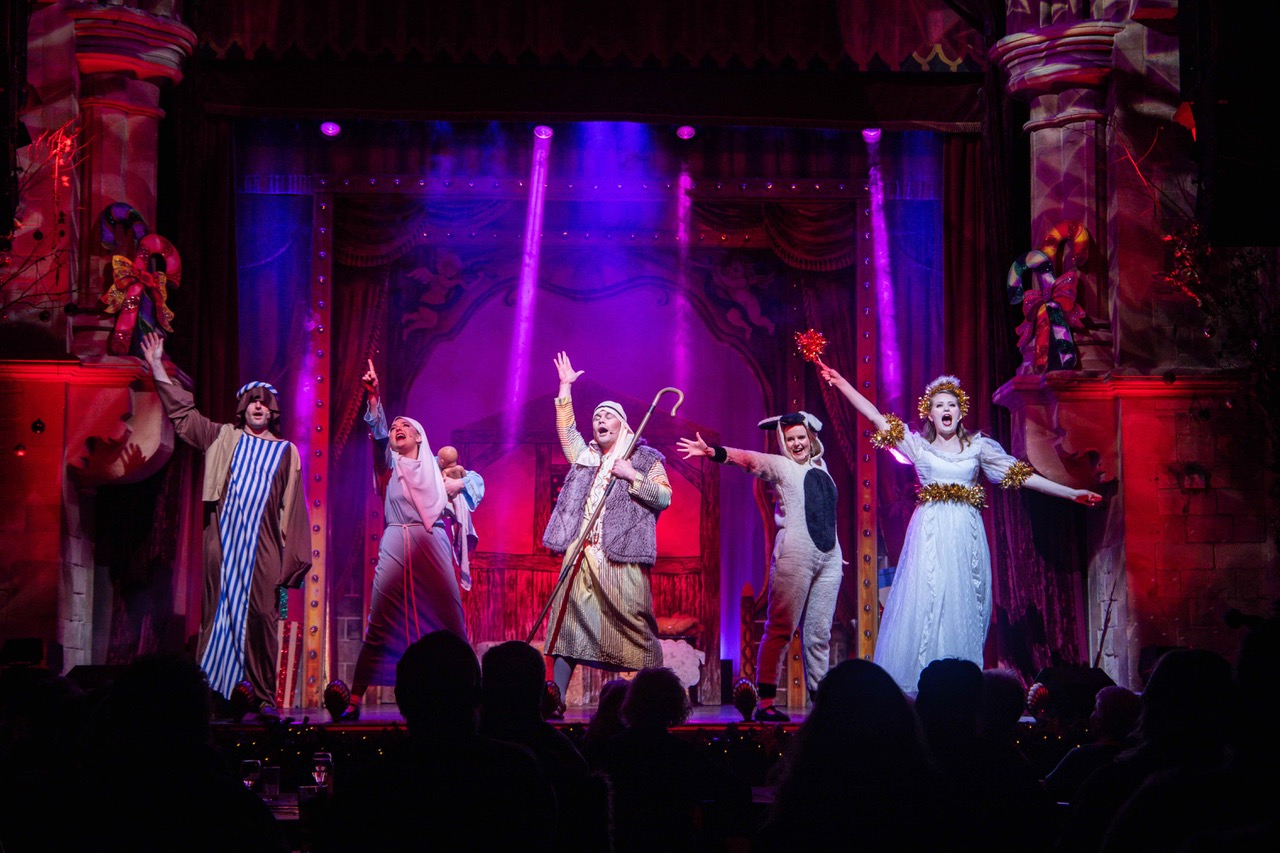
Eat, Drink and Be Merry: Brick Lane Music Hall’s Jordan Langford on Bringing ‘Christmas Wonderland’ to Life
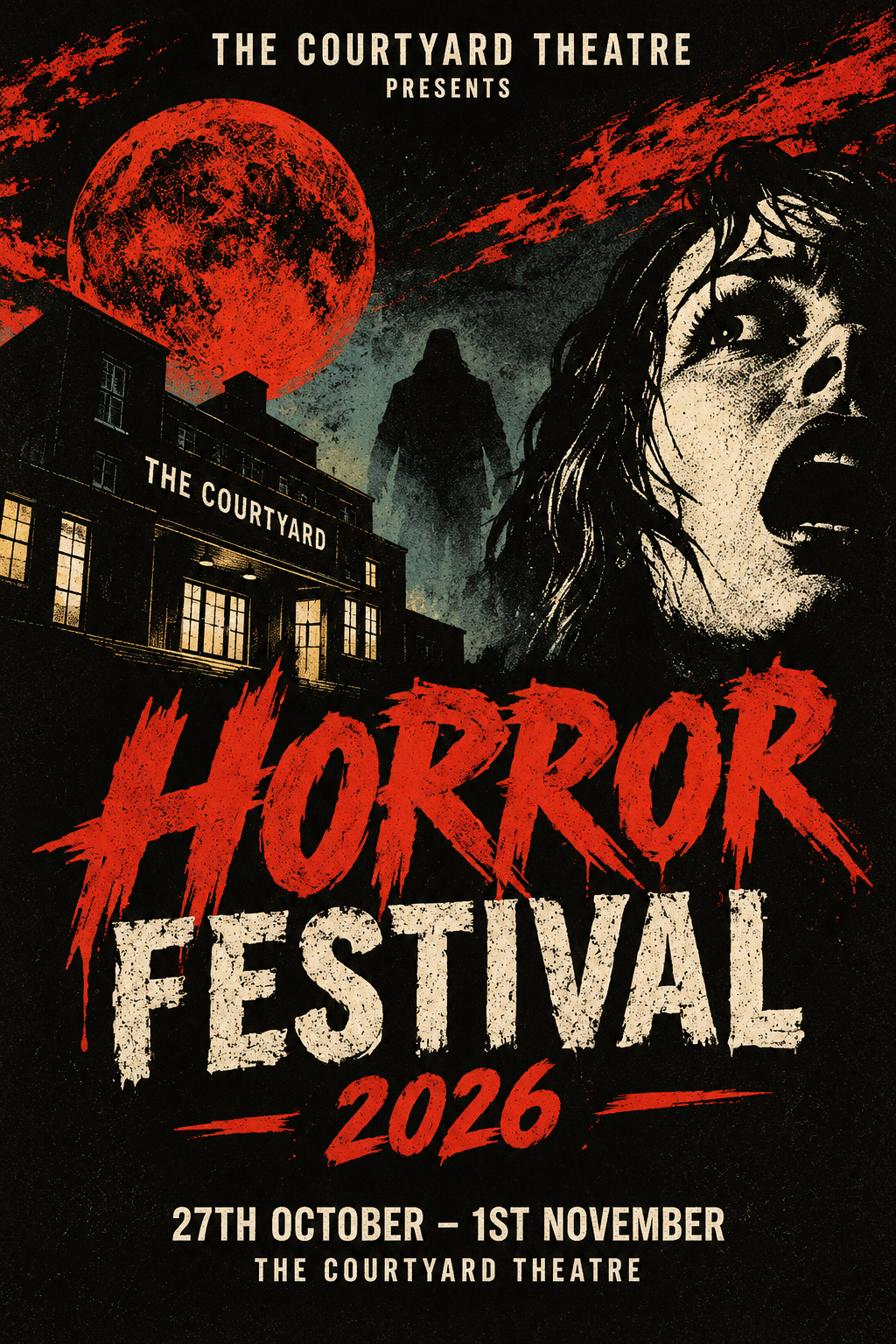
The Courtyard Theatre brings a week of horror, comedy and cabaret to London this Halloween
The masons are disappearing faster than the monuments