'How much will we say yes to in the hope of being on stage?' – Eva Seymour on bringing The Understudy to the Edinburgh Fringe
Eva Seymour brings The Understudy to Edinburgh Fringe in August, a darkly comic one-woman show born from her pandemic experience as a Covid understudy.
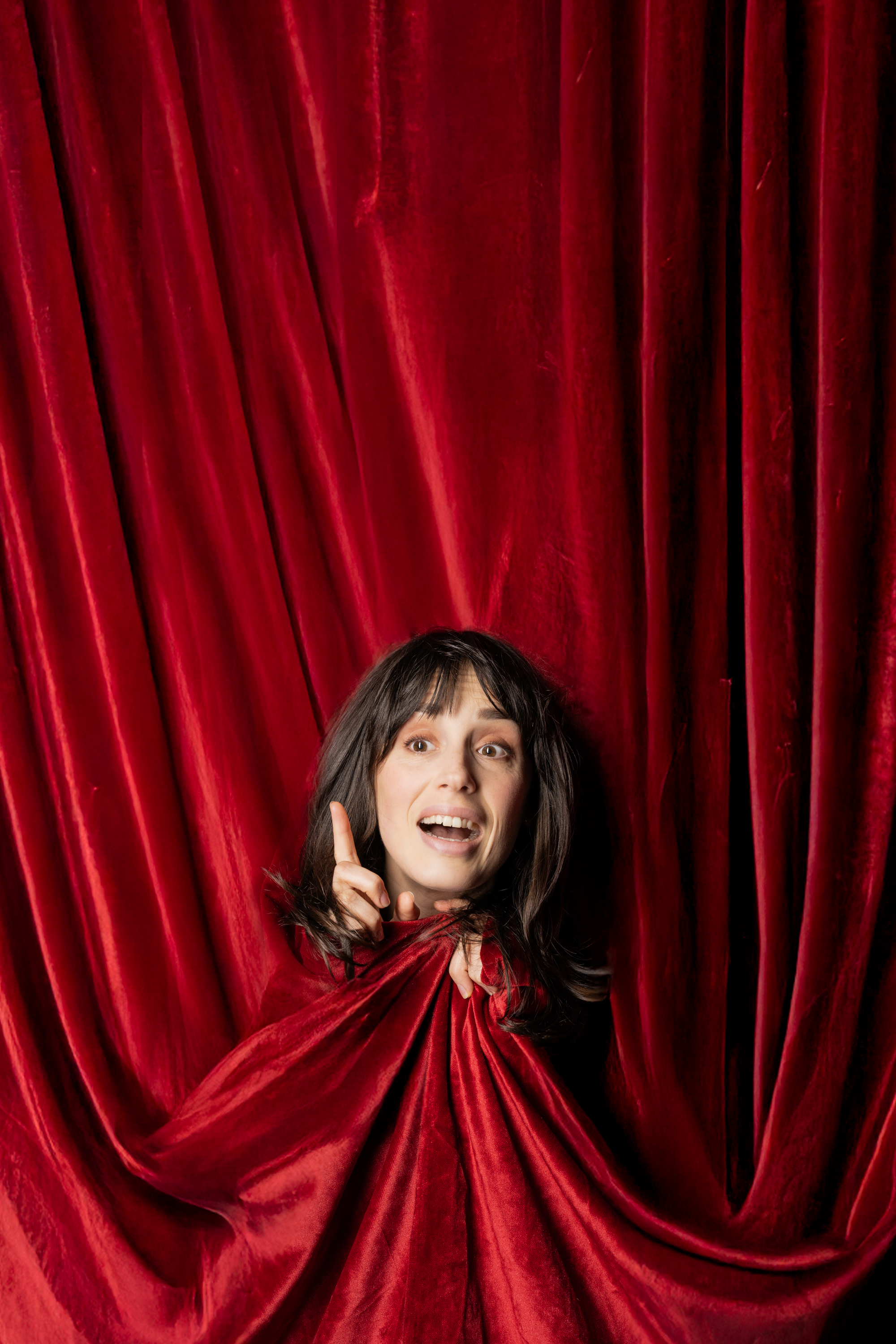
Following acclaimed runs in Melbourne and Adelaide, Australian actor Eva Seymour is premiering her show in the UK next month. Inspired by her own experiences during the pandemic, the one-woman show blends dark comedy with biting satire to explore ambition, self-worth and just how much performers are willing to sacrifice for a career on stage.
The show grew out of your time as a "Covid understudy". What was it about that experience that made you think "this has to become a play"?
It was such a bizarre time for the performing arts, and here in Melbourne, the theatre industry was barely staying afloat. The creation of a role for a single actor to save the show highlighted how integral we can be to making the whole system work, but also the insanity of the expectations put on us. It felt like a hyper-specific example of a broader idea - how much will we say yes to in the hope of being on stage? So although the show is about that experience in particular, it is a broader commentary on the price of ambition and a cautionary tale about hanging all your self-worth on an industry that ultimately doesn’t care about you.

You play 30 different characters in this one-woman show. How do you approach building and switching between that many people physically and vocally, especially with the live camera elements?
It’s a very fast-moving piece, so the shifts are subtle and clean. Each character has a specific pose or gesture they’re limited to, but it does mean I have to be strict with myself not to be too physically loose! I also wanted to play on the trope of the one-woman-show idea… the shifts are deliberately a bit kitschy, and the characterisation sometimes jumps from cartoonish to grounded. When I’m having a conversation, I shift my centre of gravity to the other side. It’s pretty low-fi stuff. In saying that, The Understudy is aware she’s in a one-woman show, so she’s pulling all the stops to show off her skills.
The live camera works to show a side of the understudy that is slowly revealed… Spoilers!
You've said the play itself "works against" the Understudy, functioning almost like the industry at large. Can you unpack what that means structurally, and how does the show actually turn on its own protagonist?
Without revealing too much, the show sits in a pretty meta world. The idea of writing a one-woman show is a bit of a trope for an actress attempting to revive her career and show off her skills. The point of The Understudy’s existence is just that: she is here to prove herself and tell her story. As we devised the piece, it became clear that The Understudy has the story she wants to tell, the narrative she controls, but there is also the reality of her experience that can’t help but reveal itself. Like the lies we tell ourselves to justify our decision-making, the play operates as a sort of lie detector, forcing The Understudy to face her choices and her culpability in the situation.
This is a dark comedy that's also been called "unexpectedly moving”. How do you find the line between making an audience laugh at ambition and self-sacrifice, and making them sit with how bleak it actually is?
I believe strongly in never taking anything too seriously. I also always knew The Understudy needed to be very silly whilst being very honest. The absurdity of her situation is genuinely ridiculous, so it would be a shame not to laugh at her. I wanted to be really transparent about how much sacrifice and determination it takes to not even get to where you want to be. At the same time, though, any time we reach a moment of poignancy, the rug is pulled out. I’m generally allergic to sentimentality, so any moments of pathos must be undercut with immediate irreverence. It’s an absurd situation that deserves to be treated with the appropriate absurdity.
The Understudy doesn't quit, even as her relationships fall apart — and you've been clear this isn't a "woe is me" story. Why was it important to you that she stays complicit in her own situation rather than positioning her purely as a victim of the industry?
Yes, the industry is ruthless and it can be cruel, but The Understudy’s choice to position her career above her own needs and the needs of those she loves cannot be pinned on the powers that be. This piece absolutely skewers the industry, and oftentimes The Understudy doesn’t feel like she has a choice other than the choice she makes, but ultimately, she does. And it’s these choices which contribute to her demise.
From Melbourne to Adelaide, and now Edinburgh — how has the show changed as you've taken it to different cities, and what are you most nervous or excited about for the Fringe run?
The first season in Melbourne felt a bit like a test run… we didn’t really know what we had or if it would work, and we staged it in a literal train carriage with no set. The audience response was so great, I jumped at the chance to take it to Adelaide. After a return season in Melbourne for Comedy Festival, the show has grown and shifted to a place where it’s ready to be packaged and sent off internationally! I’m excited to perform it for such a long stint - thus far I’ve only done limited seasons for each festival, and I’m really excited to live in it and see how it grows over a month-long run. I’m also really excited for an international audience to see it after only performing it in Australia. It’ll be interesting to see how many of my Melbourne-isms translate!
The Understudy is at the Edinburgh Fringe at Assembly George Square from 5 – 31 Aug (not 12, 18 & 24) at 12:15pm. Ticket information here:https://www.edfringe.com/tickets/whats-on/the-understudy
Continue Reading
More Culture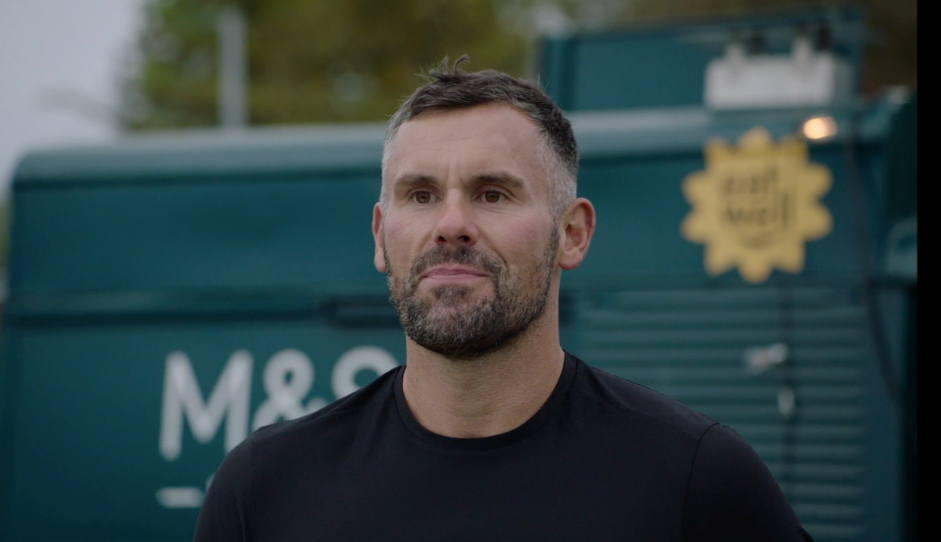
Ben Foster returns to Wrexham to support young footballers with M&S Food
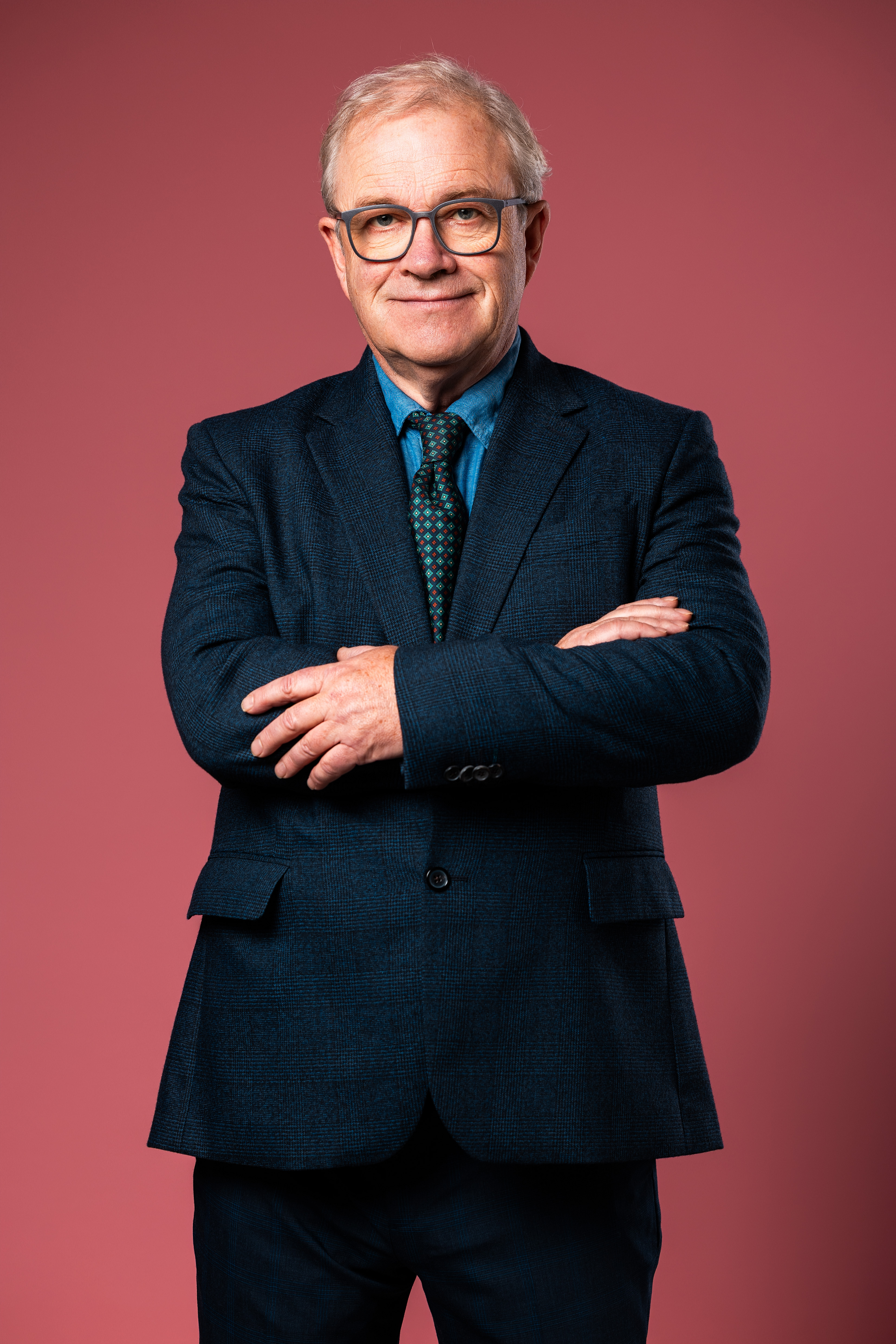
Harry Enfield and No Chums Announce National Tour Across the UK from March to November

Scotland’s Fastest-Rising Stand-Up Connor Burns Sells Over 17,000 Tickets at the Fringe Ahead of London Show coming to London