From shame to spotlight: Emily Glaze’s fearless show BASIC BALD B*TCH to perform Edinburgh Fringe Festival
Emily Glaze debuts BASIC BALD B*TCH at Edinburgh Fringe this August, using comedy and drag to explore alopecia and sexual assault with fearless honesty.
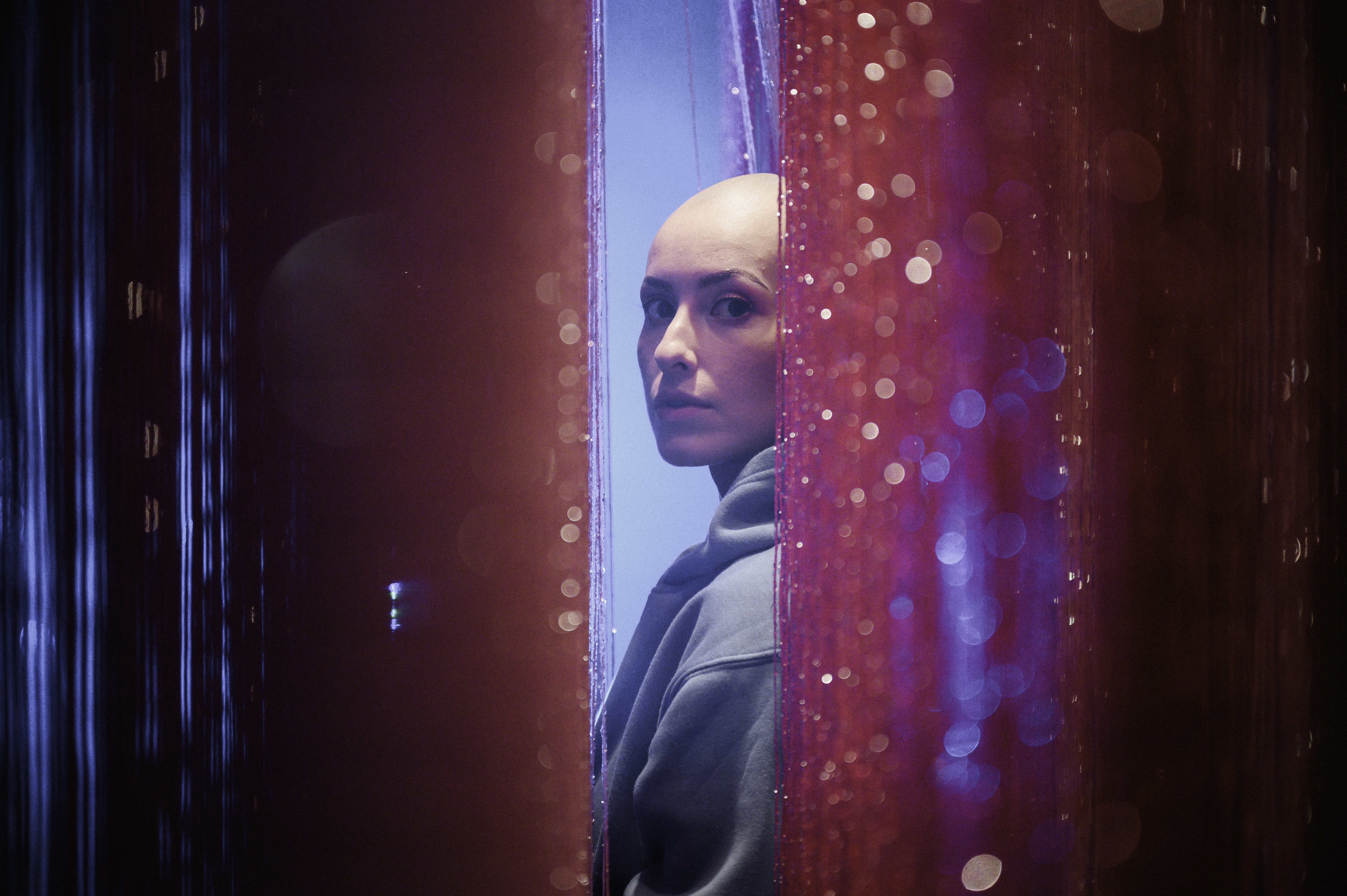
Following performances at Brixton House and recognition on the Victoria Wood Prize longlist, BASIC BALD B*TCH makes its Edinburgh Fringe debut this summer. Writer and actor Emily Glaze talks to us about her experience of having alopecia and what it’s like to create and perform such a personal show.
The title of the show itself is an act of reclamation – can you talk about the process of taking words that were used against you and turning them into something you perform under every night, and what that feels like now compared to when you first considered it?
The title was originally just another line in the play! As the script developed, it became this sharp, messy, cheeky, camp, tender play. So I felt that tonally, this line really captured the show. Yeah, it’s absolutely about language and reclaiming words that have historically been, and are still now, used derogatively. I’m really interested in how language changes over time and words are subverted, owned and used to empower. In the first draft, I didn’t even write words like ‘wig’ or ‘bald’ because I still held on to so much shame around having alopecia. Those words felt ugly. Now? I can’t stop talking about it! Through the process of writing and performing this play I have had to keep showing up. To now feel like I have a choice to wear a wig, makeup or neither is really empowering.
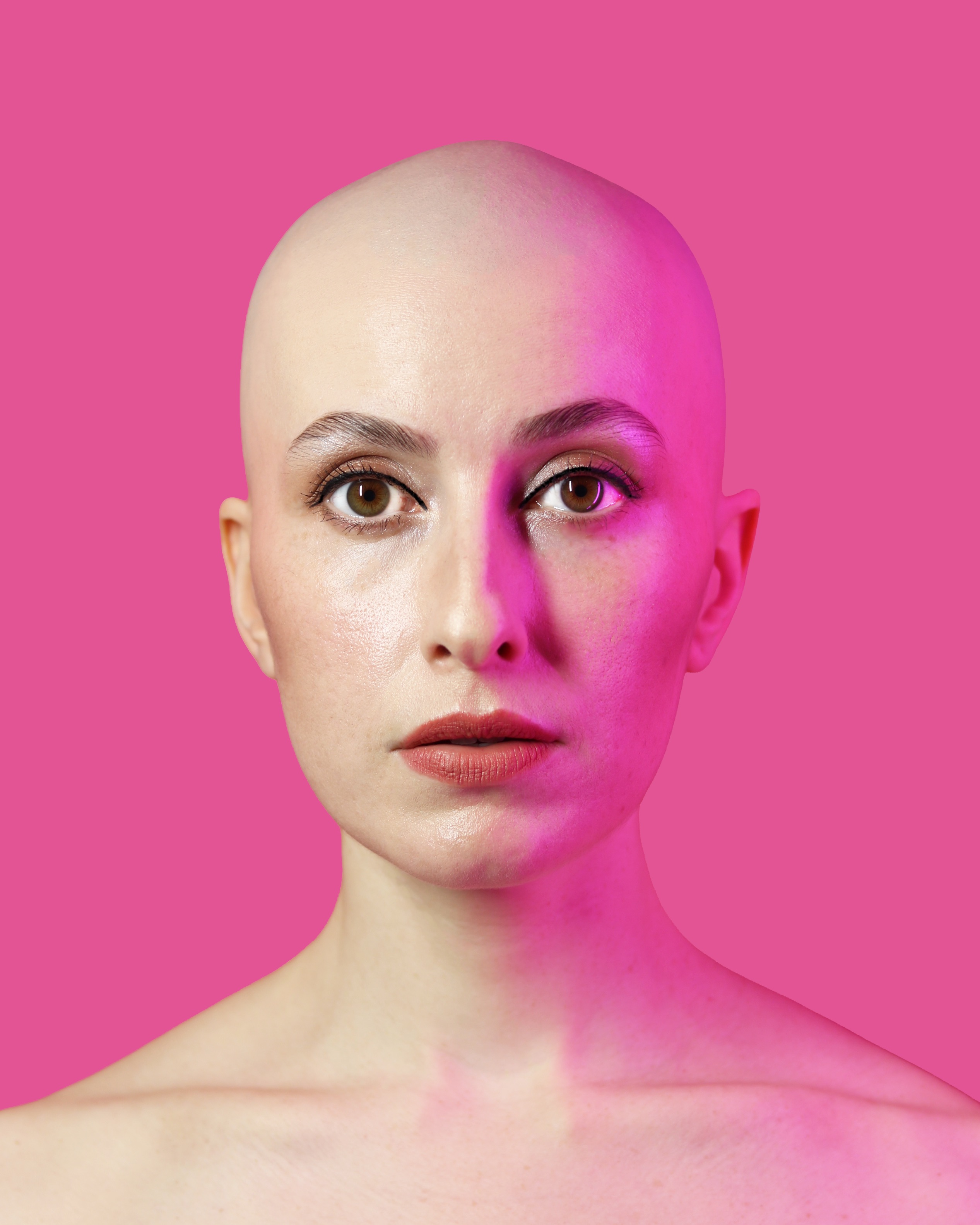
You've chosen comedy and drag as your tools for exploring sexual assault and alopecia – two subjects that might instinctively seem to call for a more solemn treatment – so what does humour specifically unlock that a more straightforward autobiographical piece wouldn't?
Comedy is interesting right? Because we all make jokes when we’re nervous, anxious, feel awkward or laugh at the worst time. I think that’s it. I wanted to write something that felt very human. For me, what makes something feel dark, heavy or tragic, is much more about this instinctual reaction and what we’re not saying like times when we avoid feeling the weight, hide behind comedy or brush it off as nothing. Those are all deeply interesting, human moments that feel much more real, complex and nuanced. With drag, it’s about exaggeration, it’s extreme and it’s always political. What comedy and drag have in common is that they’re both about performing versions of ourselves, our roles and what is expected of us. And that’s exactly what the play unpacks.
You describe performing completely bald at the biggest arts festival in the world as something that would once have felt like your worst nightmare – what was the moment, or the gradual shift, that made you decide you not only could do it but wanted to?
Oh, it was definitely a gradual shift. It’s taken me a long time to feel able to show up bald, let alone with confidence. I’ve wanted to write something about my experiences ever since I first lost my hair, but it was also a terrifying thing to do. I suppose eventually, the desire to tell this story became stronger than the need to hide it.
The show follows Amy rather than Emily – how much distance does that fictional framing give you each night, and are there moments in performance where the line between Amy and yourself becomes harder to hold?
A lot of this play is based on real events and experiences, but there’s also so much that is totally made up or dramatised for performance. Calling the character Amy is a way of telling audiences that not everything you’re about to see happened to me. It allows me to throw myself into the show fearlessly. But of course, there are times when the moments that are very close to my own experiences catch me off guard, and the line between the two can be thin.
**You're a 2025 Oxford School of Drama graduate making your Edinburgh Fringe debut – BASIC BALD B*TCH has already been performed at Brixton House and longlisted for the Victoria Wood Prize, which is a remarkable trajectory for a show still so early in its life. What do you think the show has that has resonated so quickly with programmers and audiences?**
It’s a bit mad, isn’t it? I still can’t quite believe the show is going to Fringe! Maybe what people are seeing and feeling is that despite it being very specific, actually what the play is talking about is a universal feeling of comparison, expectations and roles. At a time when it has never been easier to feel like you’re not good enough, that you don’t look good enough, that you don’t earn enough or have enough of the stuff, even if you don’t know what the stuff is yet, but you just know that you need it. The play is about these ideas around identity, belonging, gender, and desperately wanting to fit in. It’s about just how exhausting it all is and how freeing it is to then reject it.
The show ends as a rallying cry for anyone who feels different and afraid to be seen – who are you most hoping walks through the door at Edinburgh, and what do you most want them to carry with them when they leave?
I would love for people with alopecia or visible differences to see the show and feel seen, heard and leave feeling empowered in their own skin.
BASIC BALD B*TCH is at Underbelly Cowgate, Jelly Belly, 5 – 30 Aug (not 12,17 & 24), 15.55 - 16:55. Ticket information here: BASIC BALD B*TCH | Edinburgh Festival Fringe
Continue Reading
More Culture
Ben Foster returns to Wrexham to support young footballers with M&S Food
Harry Enfield and No Chums Announce National Tour Across the UK from March to November
Scotland’s Fastest-Rising Stand-Up Connor Burns Sells Over 17,000 Tickets at the Fringe Ahead of London Show coming to London