Britain’s Tea Snobs No Longer Trust Anyone Else To Make A Brew
42% of Britons now refuse tea made by others over brewing standards, with friends less trusted than strangers, new International Tea Day survey reveals.
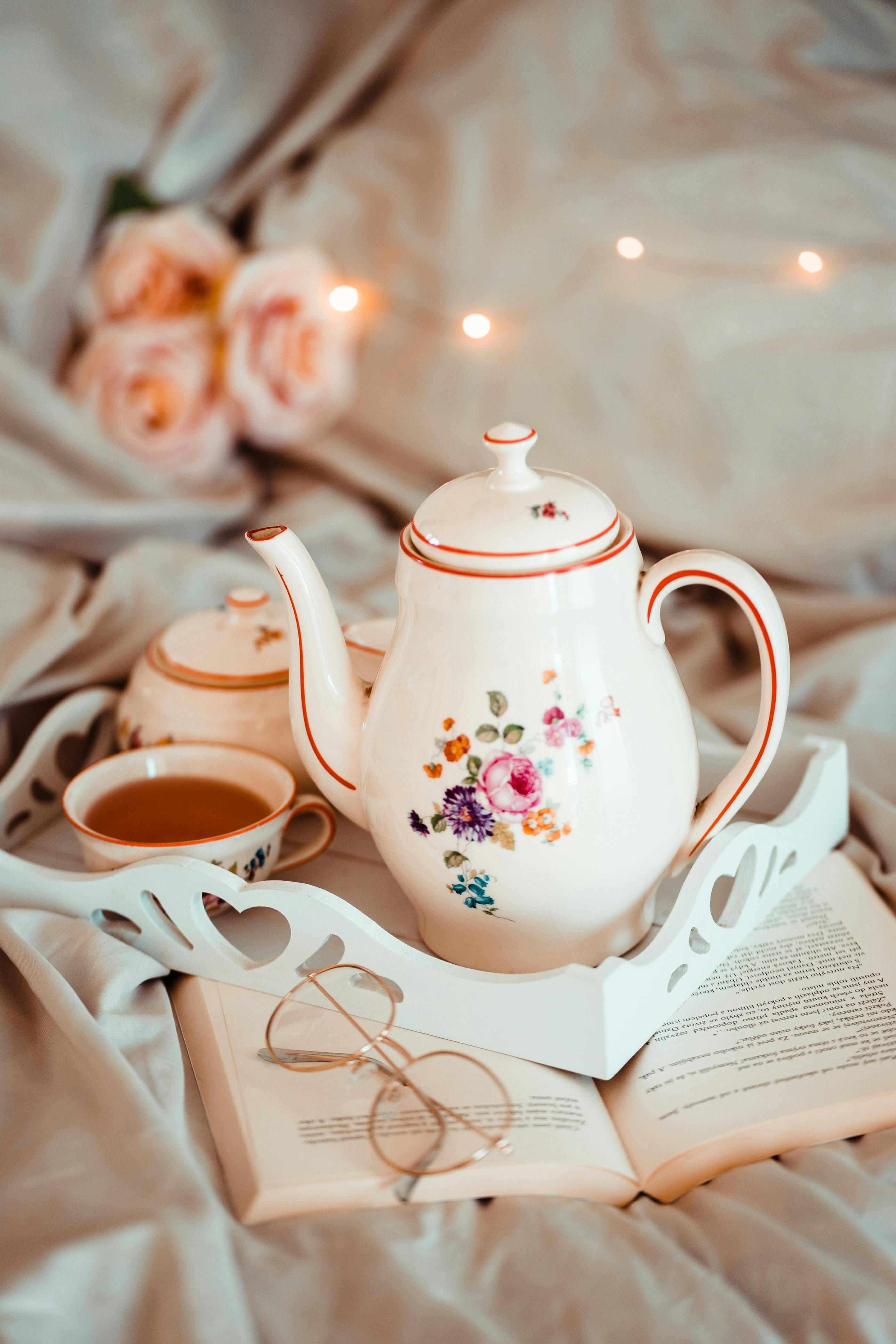
The British relationship with tea has always bordered on the obsessive. Entire social interactions can hinge on the offer of a cup, while workplaces, family kitchens and awkward conversations are routinely held together by boiling water and a teabag.
Yet new research suggests the nation’s devotion to tea comes with a surprisingly unforgiving side.
According to a survey commissioned by CASO Design ahead of International Tea Day, 42 per cent of Britons have refused a cup of tea from someone else purely because of how they expected it to be made.
And, in a detail that feels deeply British, people are apparently more willing to accept tea from a complete stranger than from their own friends.
Nearly three in ten respondents said they would turn down a brew from a mate, while colleagues and siblings also ranked highly among the country’s least trusted tea makers. Managers, meanwhile, appear largely protected from criticism, though perhaps more out of office diplomacy than genuine confidence in their brewing abilities.
The findings paint a quietly amusing portrait of modern Britain, a country still emotionally invested in the rituals of tea making, while increasingly impatient with the process itself.
Too much milk ranked among the nation’s biggest tea making offences, alongside weak tea, reused teabags and tea served cold. Yet despite the strength of those opinions, the research found most people are guilty of many of the same mistakes they criticise in others.
Eighty five per cent of Britons believe they make the perfect cup of tea. Seventy per cent, however, are not brewing it for long enough. One in ten remove the teabag in under thirty seconds, while only 14 per cent follow the recommended brewing time of two to three minutes.
In other words, Britain may be a nation of tea purists who have quietly forgotten how to make tea properly.
That, at least, is the argument put forward by Carri Hecks, tea sommelier and tutor at the UK Tea Academy, who believes the country lost part of its tea making culture when convenience overtook ritual.
“As a tea purist, I’d say we started to lose the art of tea making the moment we stepped away from teapots and loose leaf tea,” she said. “Tea became less of a ritual and more about speed and convenience.”
It is difficult not to see the broader cultural truth in that observation.
Tea occupies a peculiar place within British life. It remains both ordinary and oddly ceremonial, consumed daily yet still capable of triggering fierce debate over milk ratios, water temperature and brewing time. Few countries attach such emotional significance to something so apparently simple.
And perhaps that is precisely why people care so much.
The survey suggests tea is not simply about taste, but familiarity and comfort. People defend their preferred method not necessarily because it is objectively correct, but because it feels emotionally familiar. A cup of tea, after all, is rarely just a drink in Britain. It is reassurance, routine and social shorthand.
That may also explain why younger Britons appear particularly critical about how others make tea. More than half of those aged between 25 and 34 admitted refusing a brew from someone else, suggesting that even in an age dominated by flat whites and iced matcha, the standards surrounding tea remain remarkably high.
There is, however, a slightly more serious undercurrent beneath the humour.
The research also reflects the extent to which domestic rituals are increasingly being reshaped by convenience culture. Reboiled kettles, rushed brewing and instant preparation mirror a broader shift toward speed and efficiency that has altered everything from cooking habits to social interaction itself.
Tea, once associated with patience and pause, now risks becoming just another task completed too quickly.
Perhaps that is why the findings resonate beyond novelty statistics.
Britain may still love tea. The question is whether it still has the patience to make it properly.
Continue Reading
More Lifestyle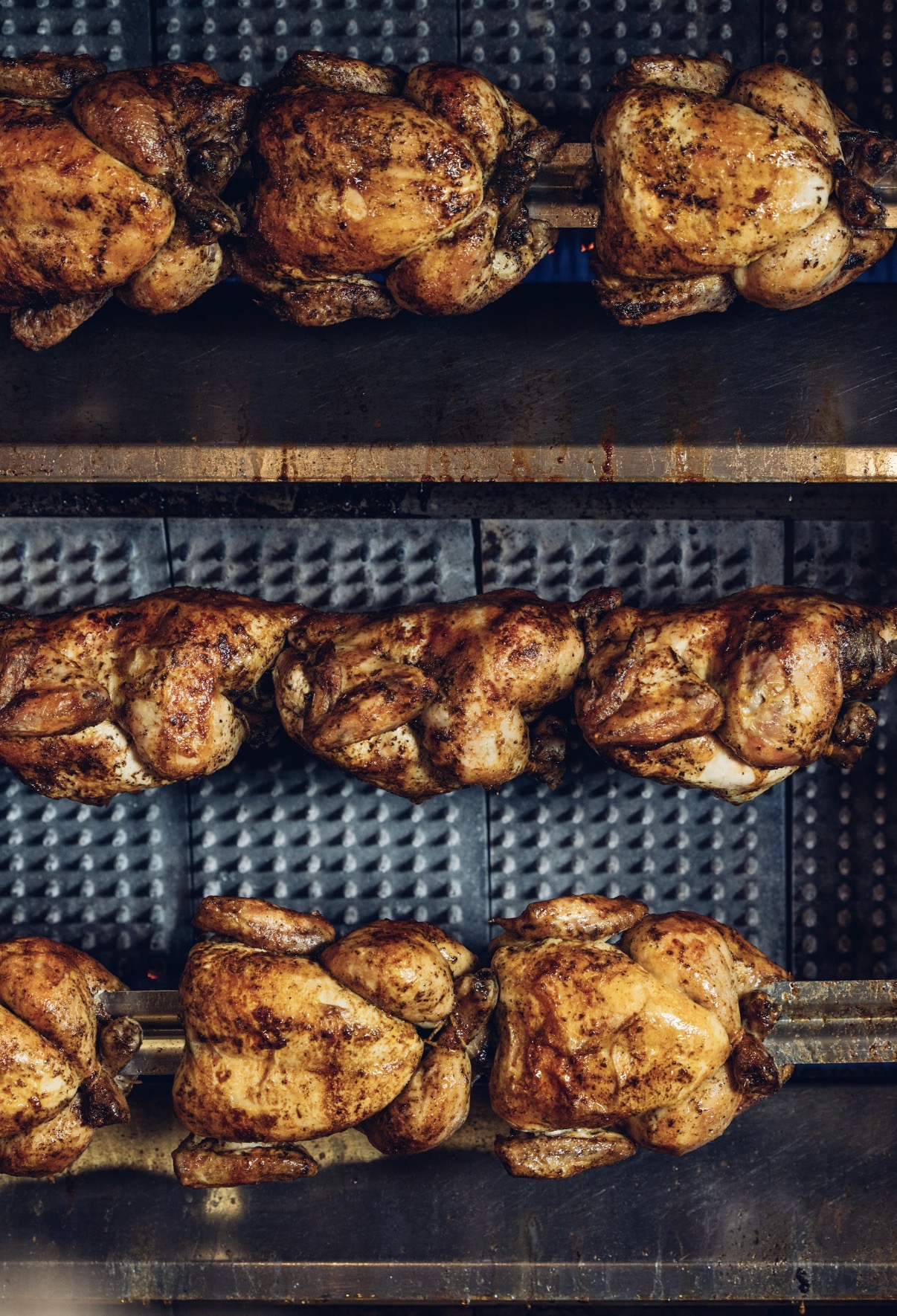
The Chicken Worth Crossing Town For: Cocotte Richmond

Labour members put pensions top of the list for spending cuts

David James backs nationwide push to get unused football boots back on the pitch