The £10 million watch launch that shows luxury brands are no longer selling products
AP x Swatch Royal Pop collaboration generated £10.41 million in earned media value, with 11 billion social media views driven by queues and hype.
Swatch
Luxury brands used to spend fortunes convincing consumers to buy their products.
Today, the most successful brands achieve something far more valuable: they persuade consumers to market the products for them.
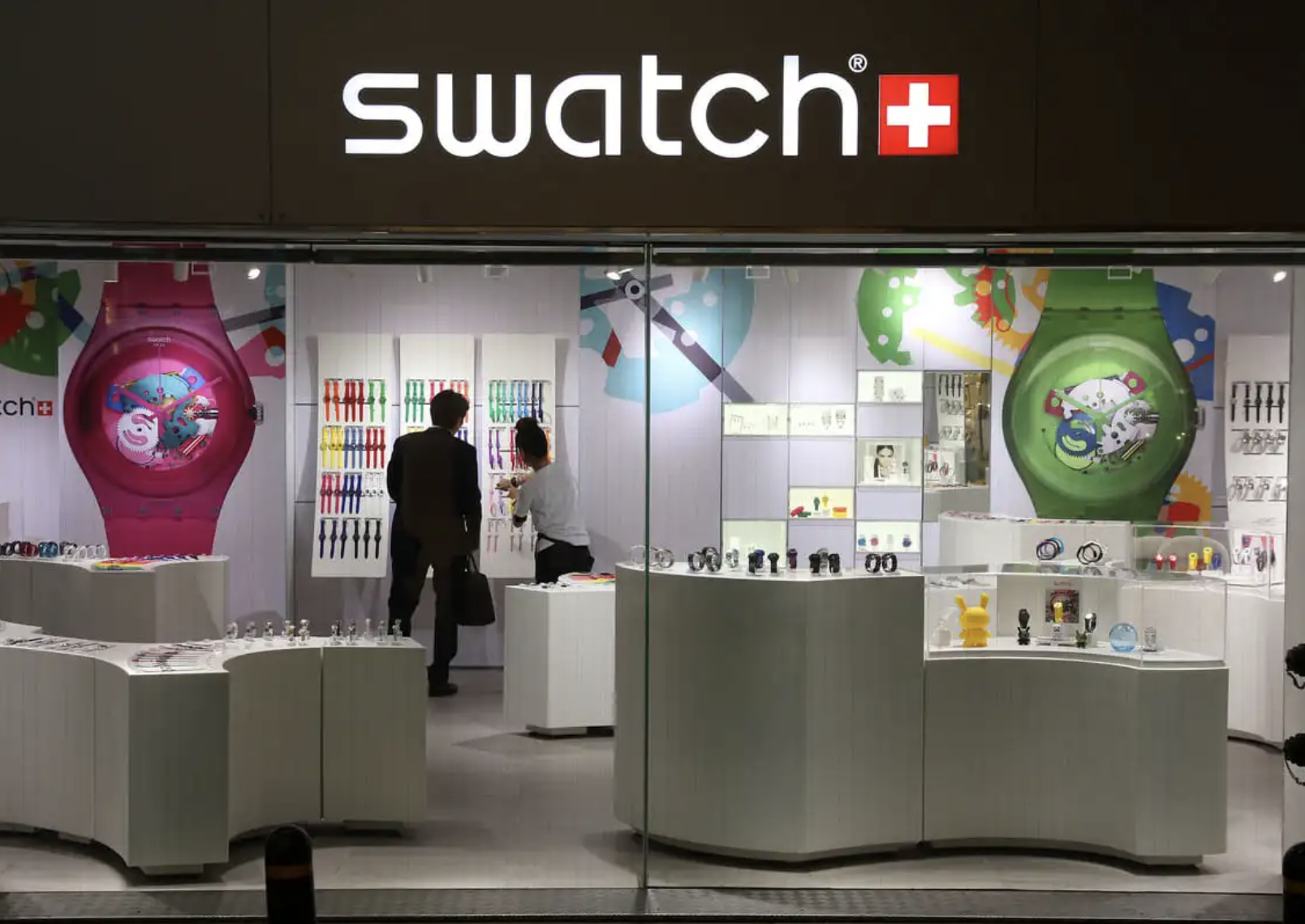
Few launches illustrate that shift better than the recent collaboration between Swatch and Audemars Piguet. Before many customers had even seen the watches in person, social media was already awash with videos of queues stretching around city blocks, speculation about resale values and crowds scrambling to secure one of the limited-edition pieces. The watches became less a product launch than a cultural event.
According to new analysis from influencer marketing platform Kolsquare, the AP x Swatch Royal Pop collection generated more than £10.41 million in Earned Media Value globally, underlining the extraordinary power of modern hype culture. The collaboration, which launched on 16 May, quickly became one of the defining retail stories of the year, generating attention far beyond the traditional watch community.
The scale of the reaction reflected a broader transformation taking place within luxury marketing.
For decades, prestige brands relied on exclusivity, advertising campaigns and celebrity endorsements to create demand. While those elements remain important, the rise of social media has fundamentally altered how desire is created. Scarcity, community participation and the fear of missing out now play an increasingly significant role in determining whether a product succeeds or disappears without trace.
The Royal Pop launch demonstrated how those forces can combine to remarkable effect.
Long before customers reached the tills, the story had already escaped the control of the brands involved. Social media users documented queues outside stores. Watch enthusiasts debated the design. Content creators speculated about future resale values. Videos of launch-day crowds spread across platforms at extraordinary speed. The conversation became the marketing.
Reuters reported that discussion surrounding the collaboration generated some 11 billion social media views worldwide, placing it among the most visible product launches of the year.
Kolsquare's analysis of the UK market reveals how heavily that attention was driven by creators rather than conventional advertising. Between late April and the launch date, 84 creators with significant UK audiences produced more than 120 pieces of content relating to Swatch. Collectively, those posts generated more than four million views and almost 100,000 engagements.
What is particularly notable is the type of content that performed best.
Traditional influencer endorsements were not the primary driver of engagement. Instead, audiences responded most strongly to footage of queues, launch-day reactions, first impressions and discussions surrounding availability. The product itself became secondary to the experience of attempting to acquire it.
In many respects, the phenomenon resembles the streetwear market that emerged during the last two decades. Brands such as Supreme demonstrated that scarcity could become a marketing tool in its own right, turning product releases into events. Luxury watchmakers now appear increasingly willing to adopt similar tactics.
The success of the collaboration also reinforces Instagram's continuing importance despite the rise of newer platforms. According to Kolsquare, Instagram generated the overwhelming majority of campaign value and significantly outperformed TikTok in terms of engagement within the UK market. While TikTok remains influential in driving discovery, Instagram continues to dominate when it comes to luxury aspiration and product storytelling.
There is a lesson here that extends far beyond watches.
Consumers increasingly want to feel part of a moment rather than simply purchase an item. The product matters, but so too does the narrative that surrounds it. Owning something exclusive is no longer enough; participation in the cultural conversation has become part of the value proposition itself.
That helps explain why the most influential voices in the campaign were often not celebrities but niche creators focused on design, fashion, release culture and lifestyle trends. Their audiences were not merely interested in watches. They were interested in belonging to a community built around anticipation, scarcity and discovery.
For luxury brands, that may be the most important development of all.
The modern consumer is no longer simply buying a product. Increasingly, they are buying access to a story, a moment and a community. The AP x Swatch collaboration succeeded because it understood that distinction.
In the process, it offered a glimpse into the future of luxury marketing — one where the conversation surrounding a product may prove even more valuable than the product itself.
Continue Reading
More News
Starmer leaves Parliament with public backing for his departure
Farage faces a test of credibility as Reform’s momentum begins to fade

Eight in ten Britons oppose Labour plan to release serious offenders earlier