Public backs Healey's resignation over defence spending, poll finds
John Healey's resignation over defence spending backed by 45% of Britons in new YouGov poll, signalling growing public concern over military investment.
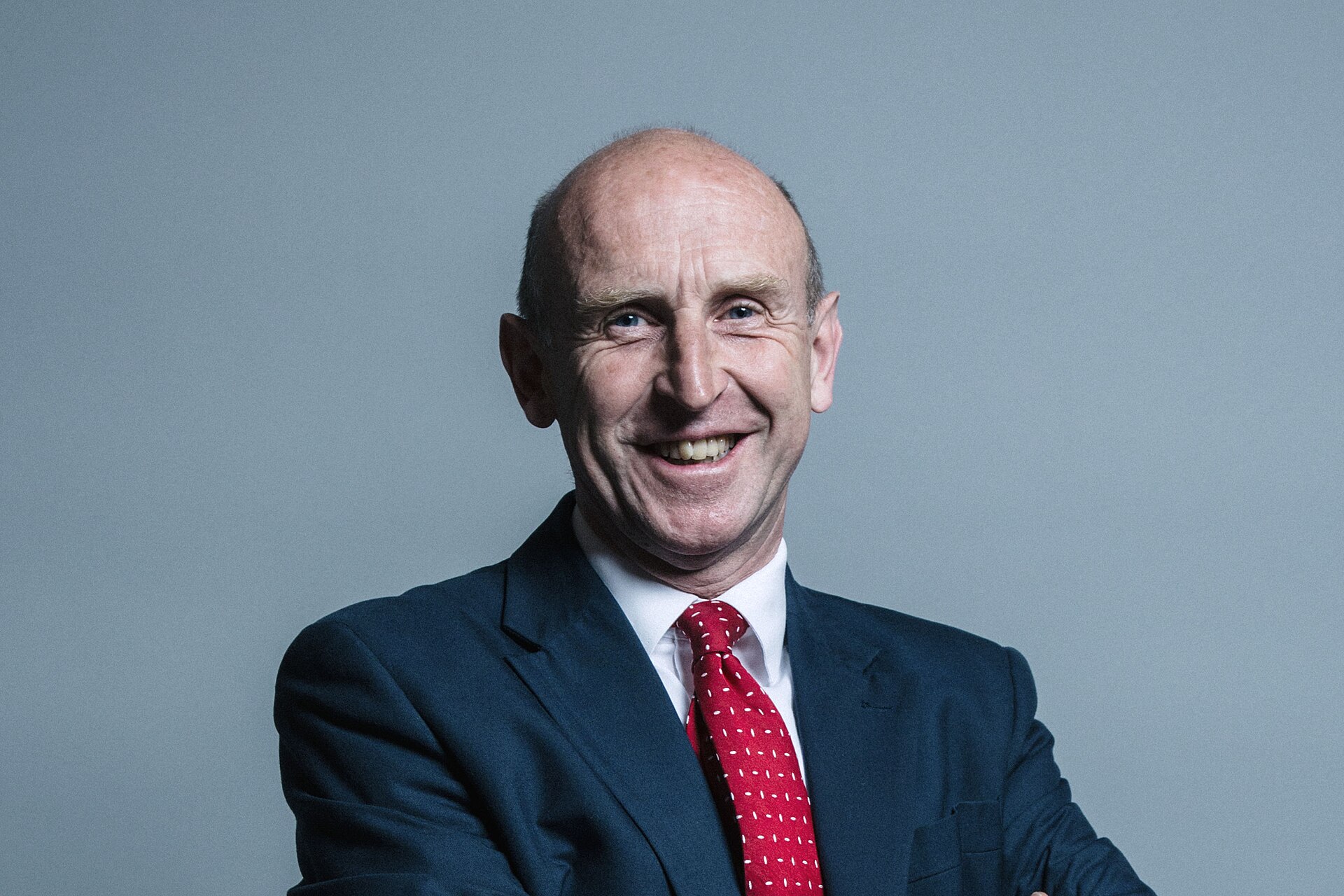
Image credit: Chris McAndrew / Wikimedia Commons (CC BY 3.0)
Questions over Britain's defence priorities have moved to the centre of political debate following the resignation of John Healey, with new polling suggesting that much of the public believes the former Defence Secretary was right to step down.
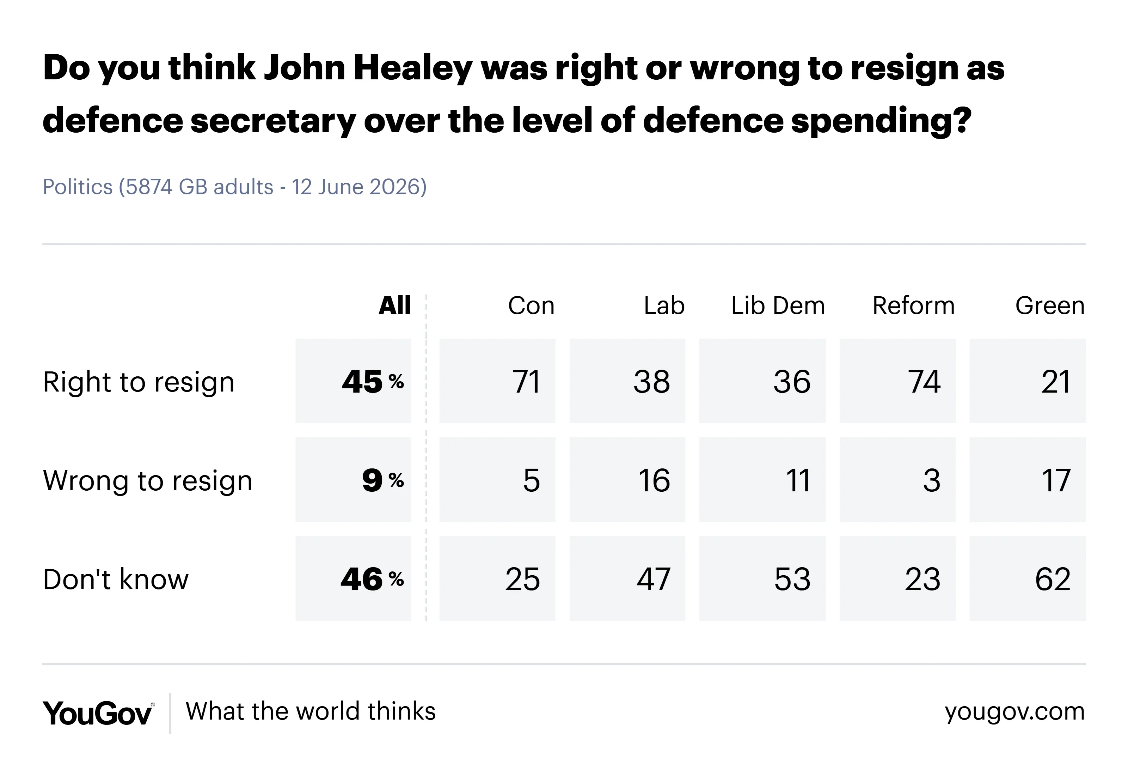
According to a YouGov survey, Britons back Healey's decision to resign over the level of defence spending by a margin of 45 per cent to 9 per cent. The findings point to a growing sense that national security is becoming a more prominent concern for voters amid rising international tensions and renewed debate over military investment.
Perhaps most striking is the breadth of support for Healey's position. Supporters of all the major political parties were more likely to say he was right to resign than wrong, suggesting that concerns about defence spending extend well beyond traditional party loyalties.
The result reflects a wider shift in public attitudes over recent years. Russia's invasion of Ukraine, instability in the Middle East and growing concerns about global security have all contributed to a reassessment of defence policy across Europe. Governments that once focused primarily on economic pressures and public services are increasingly being challenged to demonstrate that national defence remains a priority.
For many voters, Healey's resignation appears to have been viewed less as a political manoeuvre and more as a statement of principle. By stepping down over defence spending, he has drawn attention to a question that successive governments have often found difficult to answer: what level of military investment is required in an increasingly uncertain world?
The debate is particularly significant for Britain. As one of NATO's leading military powers, the United Kingdom has traditionally sought to balance ambitious defence commitments with competing demands on public finances. Yet the pressure to increase spending has intensified as allies across Europe move to strengthen their armed forces and modernise military capabilities.
Supporters of higher defence spending argue that the strategic environment has fundamentally changed. They contend that deterrence requires sustained investment in personnel, equipment and technology, particularly at a time when threats are becoming more complex and less predictable.
Critics, meanwhile, point to the realities of stretched public finances and competing domestic priorities. With pressures on healthcare, welfare and infrastructure continuing to mount, ministers face difficult decisions about where limited resources should be directed.
The YouGov findings suggest, however, that the public may be more receptive to arguments for stronger defence spending than some politicians assume.
The poll arrives at a moment when defence is no longer a niche policy issue discussed primarily by military specialists and foreign policy experts. Increasingly, it has become a mainstream political question, touching on Britain's role in the world, its obligations to allies and its ability to respond to future crises.
For ministers, the message is clear. Voters may disagree on many issues, but there appears to be a growing expectation that national security should not be treated as an afterthought.
Whether that sentiment translates into higher defence budgets remains to be seen. What is evident from the polling is that Healey's resignation has struck a chord with a public increasingly conscious of the dangers facing an unsettled world.
Source: YouGov survey of British adults, conducted June 2026. Figures show Britons believe John Healey was right to resign over defence spending by 45 per cent to 9 per cent. Credit: YouGov.
Continue Reading
More News
The old football boots being given another match
Starmer leaves Parliament with public backing for his departure
Farage faces a test of credibility as Reform’s momentum begins to fade